Mental health conditions are increasing worldwide. Mainly because of demographic changes, there has been a 13% rise in mental health conditions and substance use disorders in the last decade (to 2017). Mental health conditions now cause 1 in 5 years lived with disability. Around 20% of the world’s children and adolescents have a mental health condition, with suicide the second leading cause of death among 15-29-year-olds. Approximately one in five people in post-conflict settings have a mental health condition.
Mental health conditions can have a substantial effect on all areas of life, such as school or work performance, relationships with family and friends and ability to participate in the community. Two of the most common mental health conditions, depression and anxiety, cost the global economy US$ 1 trillion each year.
Despite these figures, the global median of government health expenditure that goes to mental health is less than 2%.
Depression is a common mental disorder. Globally, it is estimated that 5% of adults suffer from depression.
Depression is a leading cause of disability worldwide and is a major contributor to the overall global burden of disease.
More women are affected by depression than men.
Depression can lead to suicide.
There is effective treatment for mild, moderate, and severe depression.
Overview
Depression is a common illness worldwide, with an estimated 3.8% of the population affected, including 5.0% among adults and 5.7% among adults older than 60 years (1). Approximately 280 million people in the world have depression (1). Depression is different from usual mood fluctuations and short-lived emotional responses to challenges in everyday life. Especially when recurrent and with moderate or severe intensity, depression may become a serious health condition. It can cause the affected person to suffer greatly and function poorly at work, at school and in the family. At its worst, depression can lead to suicide. Over 700 000 people die due to suicide every year. Suicide is the fourth leading cause of death in 15-29-year-olds.
Although there are known, effective treatments for mental disorders, more than 75% of people in low- and middle-income countries receive no treatment (2). Barriers to effective care include a lack of resources, lack of trained health-care providers and social stigma associated with mental disorders. In countries of all income levels, people who experience depression are often not correctly diagnosed, and others who do not have the disorder are too often misdiagnosed and prescribed antidepressants.
Symptoms and patterns
During a depressive episode, the person experiences depressed mood (feeling sad, irritable, empty) or a loss of pleasure or interest in activities, for most of the day, nearly every day, for at least two weeks. Several other symptoms are also present, which may include poor concentration, feelings of excessive guilt or low self-worth, hopelessness about the future, thoughts about dying or suicide, disrupted sleep, changes in appetite or weight, and feeling especially tired or low in energy.
In some cultural contexts, some people may express their mood changes more readily in the form of bodily symptoms (e.g. pain, fatigue, weakness). Yet, these physical symptoms are not due to another medical condition.
During a depressive episode, the person experiences significant difficulty in personal, family, social, educational, occupational, and/or other important areas of functioning.
A depressive episode can be categorised as mild, moderate, or severe depending on the number and severity of symptoms, as well as the impact on the individual’s functioning.
There are different patterns of mood disorders including:
single episode depressive disorder, meaning the person’s first and only episode);
recurrent depressive disorder, meaning the person has a history of at least two depressive episodes; and
bipolar disorder, meaning that depressive episodes alternate with periods of manic symptoms, which include euphoria or irritability, increased activity or energy, and other symptoms such as increased talkativeness, racing thoughts, increased self-esteem, decreased need for sleep, distractibility, and impulsive reckless behaviour.
Contributing factors and prevention
Depression results from a complex interaction of social, psychological, and biological factors. People who have gone through adverse life events (unemployment, bereavement, traumatic events) are more likely to develop depression. Depression can, in turn, lead to more stress and dysfunction and worsen the affected person’s life situation and the depression itself.
There are interrelationships between depression and physical health. For example, cardiovascular disease can lead to depression and vice versa.
Prevention programmes have been shown to reduce depression. Effective community approaches to prevent depression include school-based programmes to enhance a pattern of positive coping in children and adolescents. Interventions for parents of children with behavioural problems may reduce parental depressive symptoms and improve outcomes for their children. Exercise programmes for older persons can also be effective in depression prevention.
Diagnosis and treatment
There are effective treatments for depression.
Depending on the severity and pattern of depressive episodes over time, health-care providers may offer psychological treatments such as behavioural activation, cognitive behavioural therapy and interpersonal psychotherapy, and/or antidepressant medication such as selective serotonin reuptake inhibitors (SSRIs) and tricyclic antidepressants (TCAs). Different medications are used for bipolar disorder. Health-care providers should keep in mind the possible adverse effects associated with antidepressant medication, the ability to deliver either intervention (in terms of expertise, and/or treatment availability), and individual preferences. Different psychological treatment formats for consideration include individual and/or group face-to-face psychological treatments delivered by professionals and supervised lay therapists. Antidepressants are not the first line of treatment for mild depression. They should not be used for treating depression in children and are not the first line of treatment in adolescents, among whom they should be used with extra caution.
WHO response
WHO’s Mental Health Action Plan 2013-2030 highlights the steps required to provide appropriate interventions for people with mental disorders including depression.
Depression is one of the priority conditions covered by WHO’s Mental Health Gap Action Programme (mhGAP). The Programme aims to help countries increase services for people with mental, neurological and substance use disorders through care provided by health workers who are not specialists in mental health.
WHO has developed brief psychological intervention manuals for depression that may be delivered by lay workers to individuals and groups. An example is the Problem Management Plus manual, which describes the use of behavioural activation, stress management, problem solving treatment and strengthening social support. Moreover, the Group Interpersonal Therapy for Depression manual describes group treatment of depression. Finally, the Thinking Healthy manual covers the use of cognitive-behavioural therapy for perinatal depression.
Commercial sale of mother’s milk under Ayush licence has thrown up ethical questions. You can buy literally anything these days, even human breast milk. India is home to the only company in Asia that sells mother’s milk for profit, Bengaluru-based Neolacta Lifesciences Pvt Ltd. After activists objected to the commercialization of mother’s milk, the Food Safety and Standards Authority of India (FSSAI) cancelled the company’s licence stating that sale of mother’s milk was not permitted under its regulations. However, an FSSAI inspection revealed that the company continues to sell mother’s milk by obtaining an Ayush licence in November 2021 for its product dubbed ‘Naariksheera’ (breast milk). Neolacta, which was established in 2016, had originally obtained a licence from the Karnataka office of the FSSAI in the category of dairy products. “It is absolutely shocking that a company is being allowed to collect breast milk from young mothers and sell it like a dairy product with a huge price tag claiming to have added value to it,” said Nupur Bidla of the Breastfeeding Promotion Network of India (BPNI), which had alerted the government to this in 2020.
Saurabh Aggarwal, MD of Neolacta, told TOI that the company has significant experience in the human milk space supplying technology to set up the first milk bank in Australia. He said that NeoLacta had, over the past five years, “benefited over 51,000 plus premature babies across 450 hospitals.” Donated breast milk is mainly used to feed premature or sick babies when mothers are unable to nurse them for a variety of reasons. Usually, the milk is sourced through milk banks set up as non-profits. Milk collected from donors (healthy lactating mothers) is pasteurised, analysed for nutrient content and checked for contamination of any kind and is then frozen and stored. In most milk banks, especially those attached to government hospitals, the donated milk is given free of cost. However, in many others it might be free for a few poor patients but those who can afford it are usually charged a few hundred rupees for 50 ml of donated breast milk. There are over 80 non-profit human milk banks in India. Neolacta charges Rs 4,500 for 300 ml of frozen breast milk. A pre-term baby could require about 30 ml per day while a baby on full feed could need as much as 150 ml per day. It also sells human milk-derived powder that is readily available on ecommerce sites as well as its own. President of the National Neonatology Forum (NNF).
Dr Siddarth Ramji told TOI that “as a principle we do not support commercialisation of breast milk” but pointed out that NNF was not a regulatory body. Dr Satish Tiwari, national convenor of the Human Milk Banking Association of India, described it as a shame. “Does the company pay the mothers who are donors? Do they take it free and sell it at such a high cost? No one knows. The government should look into this.” In a research article published in December 2020 titled, ‘Nurture commodified? An investigation into commercial human milk supply chains’, social scientist Dr Michal Nahman and economist Prof Susan Newman from the UK examined the way Neolacta functioned. Speaking to TOI, Prof Newman said their research consultants had found evidence that women, mainly in rural areas, were actively being pursued by NGOs and associated ‘health workers’ and paid either with cash or with food packets. She pointed out that in the initial news reports on Neolacta, they freely admitted to collecting milk from women across four states but have since become more cagey about how they source the milk. The article adding that in 2016, an attempt by NeoLacta to collect breast milk from the largest government hospital for women and children in Bengaluru, Vani Vilas, was abandoned after serious concerns over the “commercial exploitation of breast milk”. “It was evident from our interviews with NeoLacta donors, intermediaries such as NGOs and community health workers and NeoLacta employees, donor milk is not framed as a commodity in spite of the marketisation of NeoLacta product. Rather, the way in which donor milk is operationalised as a ‘gift’ (or ‘daan’ in the Indian context) is built in to how it is commodified,” stated the article. Remuneration would depend upon the volume that women provide and 80% of the revenue would be paid to the mother with the NGO worker taking a 20% cut, it added.
At the time of going to press, the Ayush ministry had not responded to this reporter’s queries. BPNI wrote to the health ministry in February 2020 that “Neolacta has been involved in commercializing human milk” even though the guiding principles for using donor human milk in India in the health ministry’s ‘National Guidelines on Lactation Management Centers in Public Health Facilities’ clearly states, “DHM (donated human milk) cannot be used for any commercial purpose”. With the ministry not responding, BPNI wrote to FSSAI asking how the licence was issued. Neolacta was established in 2016, a year after Cambodia banned selling of breastmilk after a public outcry about an American for-profit company Ambrosia sourcing breast milk from poor women in Cambodia and selling it in the US. A letter from the Cambodian government was quoted as stating: “Although Cambodia is poor and (life is) difficult, it is not at the level that it will sell breast milk from mothers.” In the context of Cambodia, UNICEF had said in a statement that the trade in breastmilk was “exploiting vulnerable and poor women for profit and commercial purposes”. Most countries do not allow the commercial sale of breastmilk.
Dr Arun Gupta of BPNI alleges that Neolacta aggressively markets its products on social media. “It is using the tactics of the infant formula industry in the way it is targeting healthcare providers to gain legitimacy. Infant formula companies harp on mothers not having enough milk and Neolacta goes on about mothers producing ‘excess breastmilk’ which they can donate. It claims that its products do not come under the IMS Act, which regulates the marketing of infant milk substitutes, but it does,” said. BPNI complained to the National Neonatology Forum (NNF) in February 2021. The NNF responded in April 2021 to state that the NNF had already taken a decision in its executive board meeting to abstain from providing any form of encouragement to Neolacta Lifesciences and that a letter communicating this decision had been sent to all the members of the forum. Officials from the Bengaluru branch of FSSAI inspected the Neolacta unit on April 22 and found stocks of packing materials bearing the suspended FSSAI License, which they seized. The local FSSAI office has also asked the company to recall from the market all its products which have used the FSSAI licence and to disable online selling of such products. The company was also issued a notice for carrying out food business without a valid FSSAI license. A commercial company selling breast milk would court healthcare providers including doctors and hospitals to become their suppliers, which would increase the cost to the healthcare system and create ethical dilemmas, warned public health researcher Sarah Steele of the University of Cambridge in a piece she wrote about commercial human milk banks in October 2021. She added that if mothers moved from donating to non-profit milk banks to such companies, healthcare providers would be forced to enter into contracts with such companies and this could result in the privatization of a previously public service. Dr Sushma Nangia, professor and head of the neonatology department in Lady Hardinge Medical college who established a human milk bank, explained that donated breast milk might be better than infant formula but was inferior to mother’s own milk. “Even for pre-term babies their own mother’s milk is best for them to thrive. Donated human milk is inferior to mother’s milk as milk from different sources is pooled and vital nutrients are lost when it is pasteurized. Obviously, there are cases where donated breast milk is needed and that is why we started a bank but we do not prescribe it for all pre-term or sick babies. Neonatologists and the increase in the business of neonatal ICUs in the private sector are behind the push for donated breastmilk. It has become a lucrative business. This menace (push for commercial donor milk) can be curbed if neonatologists invest time and resources in ensuring mother’s own milk for her baby rather than going for commercial donor milk and also providing unambiguous information to families that donor milk is not the same as their own mother’s milk. The government needs to step in and enquire where the milk is being sourced from,” said Dr Nangia.
One of the ugliest and unethical human studies in the history, Tuskegee Study raised a host of ethical issues such as informed consent, racism, paternalism, unfair subject selection in research, maleficence, truth telling and justice, among others. It is really unbelievable to understand the heinous nature of the Tuskegee study.
The Public Health Service started the study in 1932 in collaboration with Tuskegee University (then the Tuskegee Institute), a historically Black college in Alabama. In the study, investigators enrolled a total of 600 impoverished African-American sharecroppers from Macon County, Alabama.
The goal was to “observe the natural history of untreated syphilis” in black populations. But the subjects were unaware of this and were simply told they were receiving treatment for bad blood. Actually, they received no treatment at all. Even after penicillin was discovered as a safe and reliable cure for syphilis, the majority of men did not receive it.
In 1932, the USPHS, working with the Tuskegee Institute, began a study to record the natural history of syphilis. It was originally called the “Tuskegee Study of Untreated Syphilis in the Negro Male” (now referred to as the “USPHS Syphilis Study at Tuskegee”).
The study initially involved 600 Black men – 399 with syphilis, 201 who did not have the disease. Participants’ informed consent was not collected. Researchers told the men they were being treated for “bad blood,” a local term used to describe several ailments, including syphilis, anemia, and fatigue. In exchange for taking part in the study, the men received free medical exams, free meals, and burial insurance.
By 1943, penicillin was the treatment of choice for syphilis and becoming widely available, but the participants in the study were not offered treatment.
The purpose of the study was to observe the effects of the disease when untreated, though by the end of the study medical advancements meant it was entirely treatable. The men were not informed of the nature of the experiment, and more than 100 died as a result.
None of the infected men were treated with penicillin despite the fact that, by 1947, the antibiotic was widely available and had become the standard treatment for syphilis.
.
Of these men, 399 had latent syphilis, with a control group of 201 men who were not infected.As an incentive for participation in the study, the men were promised free medical care. While the men were provided with both medical and mental care that they otherwise would not have received, they were deceived by the PHS, who never informed them of their syphilis diagnosisand provided disguised placebos, ineffective methods, and diagnostic procedures as treatment for “bad blood”.
The men were initially told that the experiment was only going to last six months, but it was extended to 40 years. After funding for treatment was lost, the study was continued without informing the men that they would never be treated.
The study continued, under numerous Public Health Service supervisors, until 1972, when a leak to the press resulted in its termination on November 16 of that year. By then, 28 patients had died directly from syphilis, 100 died from complications related to syphilis, 40 of the patients’ wives were infected with syphilis, and 19 children were born with congenital syphilis.
The 40-year Tuskegee Study was a major violation of ethical standards, and has been cited as “arguably the most infamous biomedical research study in U.S. history.” Its revelation has also been an important cause of distrust in medical science and the US government amongst African Americans.
Later in 1973, a class-action lawsuit was filed on behalf of the study participants and their families, resulting in a $10 million, out-of-court settlement in 1974.
On May 16, 1997, President Bill Clinton issued a formal Presidential Apology for the study.
On May 16, 1997, President Bill Clinton formally apologized on behalf of the United States to victims of the study, calling it shameful and racist.“What was done cannot be undone, but we can end the silence,” he said. “We can stop turning our heads away. We can look at you in the eye, and finally say, on behalf of the American people, what the United States government did was shameful and I am sorry.”
Until a few decades back, a family physician used to be the right answer for most healthcare situations, right from the toddler in the house to the octogenarians. Medical emergencies always have been an exception. The family physician could offer expert comprehensive medical care to people of all ages and genders, making them a preferred choice, a dear friend for the common needs of the entire family. He was a great support to all family members at almost all stages of their lives.
Unlike other medical specialists who focus on a specific medical condition, one part of the body or just an organ, a family physician has the expertise and knowledge to provide comprehensive healthcare as well as emotional support to patients of all ages. He was a health guide from infancy to late adulthood and in old age as well. That made him the go-to doctor at any point for the family.
A major role of the family physician was to educate the patients about disease prevention and health maintenance. It included focussing on both physical and emotional health, which may include stress relief, anger management, fertility counselling, weight management and nutritional counselling. For day-to-day common ailments like flu, ear infection, common allergy, draining small abscess, the family physician was the preferred go-to medical resource for the treatment.
The family doctor could help recognise potential red flags for any emerging conditions that may require prompt attention, such as diabetes, heart disease, or cancer – especially if there was a family history of the condition. If there was any need for specialist medical treatment, the family physician would refer to an appropriate specialist.
But now, with increasing medical commercialisation and consumerism, primary care is at the crossroads. The primary care delivery systems are becoming unsustainable and lack the resiliency to survive in new changing environments. In an era of specialisation, the primary care has to struggle to remain relevant and viable.
There has been an increasing inclination of patients to have opinions from specialist even for minor issues. In last few years, with greater smartphone ownership, internet connections – a bevy of apps, online medical service aggregators have started operating brazenly, advertised by superstars and celebrities, aggressively pushing for tests and surgeries – have made the ‘family doctor’ look like ‘Dr Minimalist’. There are a number of reasons why more doctors want to become specialists: competitive pressures, greater income potential, higher status among peers, greater prestige in society and patients’ demand. These factors drive the preference for specialisation. The final result is being lot of specialists, who treat an organ but too few “doctors” to treat the human body as a whole. The media insinuation against doctors has created an environment of mistrust against doctors in the community and rift in doctor-patient relationship.
In addition to basic medical services, the family physician used to act as health advisors, guiding anxious patients to the appropriate healthcare facility. In today times, one of the most effective healthcare interventions is to advise the person to “when to see a specialist doctor and when not to go”. But that friendly advice with in comfort of homely atmosphere is getting distant gradually.
The family doctor – a helping hand, a dear friend and an all-time support of is getting far away from patients in this era of medical consumerism.
If you’ve ever hiked up a mountain and felt yourself getting nauseous or lightheaded, you may have experienced altitude sickness, also called mountain sickness. This condition happens when you travel to a high altitude (elevation) too quickly.
It doesn’t happen only to hikers. Just visiting a high-altitude location can cause problems for some. Symptoms happen when your body tries to adjust to the lower air pressure and lower oxygen levels at high altitudes.
Altitude sickness symptoms can range from uncomfortable to life-threatening. But with some planning and precautions, you can avoid this condition. The best way to prevent it is to move at a slower pace and let your body adjust. If you notice symptoms at high elevation, don’t push yourself to go farther. Get back down to a lower elevation and let your body adjust before moving up, slowly and carefully.
Who is at risk for altitude sickness?
Anyone can get altitude sickness. Your age, sex and general health don’t seem to affect your risk. You may be at higher risk if you:
Have a lung or heart condition: Your healthcare provider may recommend avoiding high altitudes if possible.
Are pregnant: Talk to you provider before traveling to a high-altitude location.
Live at low elevation: Since your body isn’t used to higher altitudes, you have a greater risk for symptoms. If you’re planning a trip to a high-altitude location, be aware of the symptoms of altitude sickness and how to treat it.
Previously had altitude sickness: Talk to your provider about prevention and treatment before your next trip.
What is considered a “high elevation” in terms of getting altitude sickness?
Climbing to these elevations can bring on symptoms of altitude sickness:
High altitude: 8,000 to 12,000 feet above sea level.
Very high altitude: 12,000 to 18,000 feet.
Extremely high altitude: 18,000+ feet.
The summit of Mount Everest is over 29,000 feet.
How common is altitude sickness?
Altitude sickness may occur in up to half of people who climb to elevations above 8,000 feet.
What are the different forms of altitude sickness?
Most people who get altitude sickness get AMS, acute mountain sickness. Higher than 10,000 feet, 75% of people will get mild symptoms . There are three categories of AMS:
Mild AMS: Symptoms, such as mild headache and fatigue, don’t interfere with your normal activity. Symptoms improve after a few days as your body acclimates. You can likely stay at your current elevation as your body adjusts.
Moderate AMS: Symptoms start to interfere with your activities. You may experience severe headache, nausea and difficulty with coordination. You’ll need to descend to start to feel better.
Severe AMS: You may feel short of breath, even at rest. It can be difficult to walk. You need to descend immediately to a lower altitude and seek medical care.
Two severe forms of altitude illness occur less frequently but are more serious. Both can be life-threatening. You need to descend immediately and receive medical treatment for:
HAPE (High-altitude pulmonary edema): HAPE produces excess fluid on the lungs, causing breathlessness, even when resting. You feel very fatigued and weak and may feel like you’re suffocating.
HACE (High-altitude cerebral edema): HACE involves excess fluid on the brain, causing brain swelling. You may experience confusion, lack of coordination and possibly violent behaviour
SYMPTOMS AND CAUSES
What causes altitude sickness?
Altitude sickness results from a rapid change in air pressure and air oxygen levels at higher elevations. You may have symptoms if you travel to a high elevation without giving your body time to adjust to less oxygen. Even if you’re physically fit, you can still experience altitude sickness.
In addition, high altitude and lower air pressure can lead to fluid leaking from blood vessels. Researchers don’t understand exactly why this happens. This leakage causes fluid to build up in your lungs and brain. Ignoring moderate or severe symptoms can lead to a life-threatening situation. What are the symptoms of altitude
Symptoms of altitude sickness?
You’ll likely feel nauseous and lightheaded. You may vomit and have a headache. Different levels of altitude sickness have different symptoms:
Symptoms of mild, short-term altitude sickness usually begin 12 to 24 hours after arriving at high altitude. They lessen in a day or two as your body adjusts. These symptoms include:
Dizziness.
Fatigue and loss of energy.
Shortness of breath.
Loss of appetite.
Sleep problems.
Symptoms of moderate altitude sickness are more intense and worsen instead of improve over time:
Worsening fatigue, weakness and shortness of breath.
Coordination problems and difficulty walking.
Severe headache, nausea and vomiting.
Chest tightness or congestion.
Difficulty doing regular activities, though you may still be able to walk independently.
Severe altitude sickness is an emergency. The symptoms are similar to moderate AMS, but more severe and intense. If you start experiencing these symptoms, you must be taken to a lower altitude immediately for medical care:
Shortness of breath, even when resting.
Inability to walk.
Confusion.
Fluid buildup in the lungs or brain.
HAPE, when fluid builds up in the lungs, prevents oxygen from moving around your body. You need medical treatment for HAPE. Symptoms include:
Cyanosis, when your skin, nails or whites of your eyes start to turn blue.
Confusion and irrational behavior.
Shortness of breath even when resting.
Tightness in the chest.
Extreme fatigue and weakness.
Feeling like you’re suffocating at night.
Persistent cough, bringing up white, watery fluid.
HACE happens when the brain tissue starts to swell from the leaking fluid. You need medical treatment for HACE. Symptoms include:
Headache
Loss of coordination.
Weakness.
Disorientation, memory loss, hallucinations.
Psychotic behavior.
Coma.
DIAGNOSIS AND TESTS
How is altitude sickness diagnosed?
If you get a headache and at least one other symptom with 24 to 48 hours of moving to a higher elevation, it’s most likely altitude sickness. If you’re climbing, a more experienced climber may recognize symptoms of altitude sickness and guide you to get help.
If you have severe altitude sickness, a healthcare provider will ask about your symptoms, activities and location. The provider may perform a physical exam, including listening to your chest.
Will I need tests to diagnose altitude sickness?
You may need a chest X-ray to see if there is any fluid in your chest. In severe cases, your healthcare provider may order a brain MRI or CT scan to check for fluid in the brain.
MANAGEMENT AND TREATMENT
How is altitude sickness treated?
The main treatment for altitude sickness is to move to a lower elevation as quickly
and safely as possible. At the very least, do not go higher. If symptoms are mild, staying at your current elevation for a few days might be enough to improve the symptoms.
Other treatments depend on how severe the symptoms are:
Mild altitude sickness: Over-the-counter medicines can relieve headaches. Other symptoms will improve once your body adjusts or you move to a lower altitude.
Moderate altitude sickness: Symptoms should improve within 24 hours once you are 1,000 to 2,000 feet lower than you were. Within three days, you should feel completely better.
Severe altitude sickness, HACE and HAPE: If you have severe symptoms, you must be taken immediately to an elevation that’s no higher than 4,000 feet. Get to a healthcare provider as soon as possible. You may need hospitalization.
For fluid in the brain (HACE), you may need dexamethasone, a steroid that helps reduce swelling in the brain. Dexamethasone is sometimes prescribed as a preventive medication.
For fluid in the lungs (HAPE), you may need oxygen, medication, a lung inhaler or, in severe cases, a respirator.
If you need more oxygen, a provider might prescribe acetazolamide, which increases your breathing rate, so you take in more oxygen. The medicine helps your body adjust faster to the higher elevation and reduces symptoms of altitude sickness.
The best way to prevent altitude sickness is to go slow — called acclimatization. This process allows your body time to adjust to the change in oxygen levels. Take your time when traveling up. For instance, spend a day at a point midway up before continuing to ascend.
You can also talk to your healthcare provider about taking acetazolamide before your trip. Taking it 24 hours before traveling to a high altitude and continuing for five days can help prevent altitude sickness. Dexamethasone can also be used preventively, but it can have serious side effects. Talk to your provider before your trip.
OUTLOOK / PROGNOSIS
What’s the outlook for someone with altitude sickness?
Most people who get altitude sickness get the mild form. Once you return to a lower elevation (or stay at your current elevation without climbing higher), symptoms improve.
Are there long-term effects of altitude sickness?
If you take care and move to a lower elevation when you feel symptoms, altitude sickness has no long-term negative effects. You’ll recover within a few days. Once you feel better, you can continue to travel to higher elevations, as long as you do so slowly and carefully.
Can altitude sickness be fatal?
In rare cases, altitude sickness can be life-threatening. If you develop HAPE or HACE, you are at risk for complications such as coma or even death. Get treatment as soon as possible to reduce your risk.
Can altitude sickness be cured?
Altitude sickness is temporary. Once you return to a lower altitude, you’ll feel better. When you begin your ascent again (or on your next climb), make sure to travel slowly to let your body acclimate.
If I’m planning a hike to a very high elevation, how can I hike safely without getting altitude sickness?
These steps can help your body acclimate:
Walk up: Start below 10,000 feet and walk to a high altitude instead of driving or flying. If you drive or fly to an elevation higher than 10,000 feet, stay at your first stop for at least 24 hours before going higher.
Go slow: Once above 10,000 feet, don’t increase your altitude more than 1,000 feet a day.
Rest: Build a rest day into your schedule for every 3,000 feet you climb.
“Climb high and sleep low”: If you climb more than 1,000 feet in a day, come down to sleep at a lower altitude.
Know your body: Recognize the signs and symptoms of altitude sickness. Move to a lower altitude (or avoid climbing higher) if you notice any symptoms.
Stay hydrated: Drink 3-4 quarts of water per day.
Avoid alcohol: Alcohol can dehydrate your body. It also has stronger effects at higher elevations, which can impair judgment.
Eat carbs: Eat a diet that’s more than 70% carbohydrates.
Know the “don’ts”: Avoid tobacco and depressant drugs, such as sleeping pills and tranquilizers.
Quality of medical education is a deciding factor for the kind of doctors and hence the character of the treatment that patients are going to get. Transparency about the infrastructure and faculty of medical college are important and the deciding factors about the credibility of the institute. But the new opaqueness (by National Medical council- NMC) in the system displaying the critical details about medical colleges can have deleterious effects on medical education. The medical students are blind about the claims made by a medical college during inspection for recognition and permission to admit students, which may be not true. There have been many instances and several complaints of ghost faculty in private colleges and mass transfer of faculty during inspection from one government medical college to another. Not only medical students pay millions to have a seat in private medical colleges, they invest their prime life time in studying medicine. Such opaqueness has a potential to ruin their careers. Medical students will have to work harder to get true information and more careful, about the institute they are getting into.
The National Medical Commission (NMC) does not post college infrastructure assessment reports on its website and has also removed all previous assessment reports posted by the erstwhile Medical Council of India (MCI). So, students or members of the public cannot know what claims were made by a medical college during inspection for recognition and permission to admit students. Why are these assessment reports important? The reports reveal the date of inspection, the names and designation of the inspectors, usually experienced medical faculty from government medical colleges, along with their comments and findings. They reveal what kind of infrastructure existed or was claimed, including inpatient and outpatient load, number of beds and facilities in the teaching hospital and in the college. They reveal the number of faculty shown as employed by the college department-wise. With about 50 new medical colleges opening in 2021, a record for a single year, and especially unusual since it was the peak pandemic year, there were several complaints of ghost faculty in private colleges and mass transfer of faculty during inspection from one government medical college to another. “Not uploading assessment reports shields such substandard colleges with inadequate faculty and infrastructure. They just want to claim more colleges have been opened and that more MBBS seats have been created. It is a numbers game, quality be damned. In the case of private colleges, getting approval without adequate infrastructure or faculty is a windfall as they charge exorbitant fees from students. Usually, approval is given for 100-150 seats. Even at Rs 15 lakh per annum as tuition fees, the college gets to collect Rs 15 crore to Rs 22.5 crore from the first batch,” said a retired professor of a government medical college. “The MCI, which was labelled corrupt and non-functional, used to post the reports of assessments of infrastructure and faculty done according to minimum standard requirements each year,” said Dr Mohammed Khader Meeran, an RTI activist. In response to Dr Meeran’s RTI application seeking college assessment reports of academic years 2020-21 and 2021-22, the NMC said that “the information sought is very voluminous and scattered in various files” and that “it would disproportionately divert the resource of MARB (Medical Assessment & Rating Board) of NMC”.
This serious, painful condition is the most common form of arthritis and can affect any joint.
Osteoarthritis is a degenerative joint disease that can affect the many tissues of the joint. It is by far the most common form of arthritis, affecting more than 32.5 million adults in the United States, according to the Centers for Disease Control and Prevention.
Historically, osteoarthritis (OA) was known as a “wear and tear” condition, generally associated with aging. But we know now that it is a disease of the entire joint, including bone, cartilage, ligaments, fat and the tissues lining the joint (the synovium). Osteoarthritis can degrade cartilage, change bone shape and cause inflammation, resulting in pain, stiffness and loss of mobility.
OA can affect any joint, but typically affects hands, knees, hips, lower back and neck. Its signs and symptoms typically show up more often in individuals over age 50, but OA can affect much younger people, too, especially those who have had a prior joint injury, such as a torn ACL or meniscus. It typically develops slowly over time, but after such an injury, it can develop much more rapidly, within just a few years. OA is not an inevitable aging disease; some people never develop it.
There is no cure for OA, but there are ways to manage OA to minimize pain, continue physical activities, maintain a good quality of life and remain mobile.
Factors that may contribute to the development of OA include
Age. The risk of developing OA increases with age and symptoms generally, but not always, appear in people over 50.
Joint injury. A bone fracture or cartilage or ligament tear can lead to OA, sometimes more quickly than in cases where there is not an obvious injury.
Overuse. Using the same joints over and over in a job or sport can result in OA..Excess weight adds stress and pressure on a joint, plus fats cells promote inflammation.
Musculoskeletal abnormalities. Misalignment of bone or joint structures can contribute to faster development of OA.
Obesity
Weak muscles. If muscles don’t provide adequate joint support, poor alignment can result, which can lead to OA.
Genetics. People with family members who have OA are more likely to develop it.
Gender. Women are more likely to develop OA than men.
Environmental Factors. Modifiable environmental risk factors include things like someone’s occupation, level of physical activity, quadriceps strength, presence or absence of prior joint injury, obesity, diet, sex hormones, and bone density.
Symptoms
Symptoms tend to build over time rather than show up suddenly. They include
Pain or aching in a joint during activity, after long activity or at the end of the day.
Joint stiffness usually occurs first thing in the morning or after resting.
Limited range of motion that may go away after movement.
Clicking or popping sound when a joint bends.
Swelling around a joint.
Muscle weakness around the joint.
Joint instability or buckling (as when a knee gives out).
OA may affect different parts of the body in different ways.
Hips. Pain in the groin area or buttocks and sometimes on the inside of the knee or thigh.
Knees. A “grating” or “scraping” feeling when moving the knee.
Fingers. Bony growths (spurs) at the edge of joints can cause fingers to become swollen, tender and red, sometimes with pain at the base of the thumb.
Feet. Pain and tenderness in the big toe, with possible swelling in the ankles or toes.
Potential Consequences
Pain, reduced mobility, side effects from medications and other factors associated with osteoarthritis can lead to health complications that are not caused by the disease itself.
Obesity, Diabetes and Heart Disease
Painful joints, especially in the feet, ankles, knees, hip or back, make it harder to exercise. But physical activity is not only key to managing OA symptoms; it also can help prevent weight gain, which can lead to obesity. Being overweight or obese can lead to the development of high cholesterol, type 2 diabetes, heart disease and high blood pressure.
Falls
Research indicates people with OA experience more fall and risk of fracture than those without OA. Although study results vary, some research shows they may have up to 30% more falls and have a 20% greater risk of fracture. Having OA can decrease function, weaken muscles, affect overall balance, and make falls more likely, especially among those with OA in knees or hips. Side effects from pain medications, such as dizziness, can also contribute to falls.
Diagnosis
Medical history, a physical examination and lab test help to make up the OA diagnosis.
A primary care doctor may be the first person you talk to about joint pain. The doctor will review your medical history, symptoms, how the pain affects activities, as well as your medical problems and medication use. He or she will also look at and move your joints, and may order imaging. These tests help to make the diagnosis:
Joint aspiration. After numbing the area, a needle is inserted into the joint to pull out fluid. This test will look for infection or crystals in the fluid to help rule out other medical conditions or other forms of arthritis.
X-ray. X-rays can show joint or bone damage or changes related to osteoarthritis.
MRI. Magnetic resonance imaging (MRI) gives a better view of cartilage and other parts of the joint.
Treatment
There is no cure for OA, but medication, assistive devices and other therapies that don’t involve drugs can help to ease pain. As a last resort, a damaged joint may be surgically fused or replaced with one made of a combination of metal, plastic and/or ceramic.
Medications
Pain and anti-inflammatorymedicines for osteoarthritis are available as pills, syrups, patches, gels, creams or injectable. They include:
Analgesics. These are pain relievers and include acetaminophen and opioids. Acetaminophen is available over the counter (OTC); opioids must be prescribed by a doctor.
Nonsteroidal anti-inflammatory drugs (NSAIDs). These are the most commonly used drugs to ease inflammation and pain. They include aspirin, ibuprofen, naproxen and celecoxib, available either OTC or by prescription. The OTC versions help with pain but not inflammation.
Counterirritants. These OTC products contain ingredients like capsaicin, menthol, lidocaine that irritate nerve endings, so the painful area feels cold, warm or itchy to take focus away from the actual pain.
Corticosteroids. These prescription anti-inflammatory medicines work in a similar way to a hormone called cortisol. The medicine is taken by mouth or injected into the joint at a doctor’s office.
Platelet-rich plasma (PRP). Available from a doctor by injection, this product is intended to help ease pain and inflammation. This is not approved by the Food & Drug Administration and evidence is still emerging, so discuss it with your doctor before trying it.
Other drugs. The antidepressant duloxetine (Cymbalta) and the anti-seizure pregabalin (Lyrica) are oral medicines that are FDA-approved to treat OA pain.
Nondrug Therapies
Exercise
Movement is an essential part of an OA treatment plan. Getting 150 minutes of moderate-to-vigorous exercise per week should be the goal, according to the U.S. Department of Health and Human Services. A good exercise program to fight OA pain and stiffness has four parts:
Strengthening exercises build muscles around painful joints and helps to ease the stress on them.
Range-of-motion exercise or stretching helps toreduce stiffness and keep joints moving.
Aerobic or cardio exercises help improve stamina and energy levels and reduce excess weight.
Balance exercises help strengthen small muscles around the knees and ankles and help prevent falls.
Talk to a doctor or physical therapist before starting a new exercise program.
Weight Loss
Excess weight puts additional force and stress on weight-bearing joints, including the hips, knees, ankles, feet and back, and fat cells promote inflammation. Losing extra weight helps reduce pain and slow joint damage. Every pound of weight lost removes four pounds of pressure on lower-body joints.
Physical therapy and Assistive therapy Physical therapists, occupational therapists and chiropractors can provide:
Specific exercises to help stabilize your joints and ease pain.
Information about natural treatments and products that can ease pain.
Instruction to make movement easier and to protect joints.
Braces, shoe inserts or other assistive devices.
Surgery
Joint surgery can improve pain and function. Joint replacement surgery replaces damaged joints to restore mobility and relieve pain. Hips and knees are the joints most commonly replaced. An orthopedic surgeon can determine the best procedure based on how badly damaged the joint is.
Self-Care
Practicing these habits can slow down OA, keep you healthier overall and delay surgery as long as possible. It is important to pursue a number of different self-care approaches simultaneously. They are listed below.
Maintain a Healthy Weight
Excess weight worsens OA. Combine healthy eating with regular exercise to maintain a healthy weight.
Control Blood Sugar
Many people have diabetes and OA. Having high glucose levels can make cartilage stiffer and more likely to break down. Having diabetes causes inflammation, which also weakens cartilage.
Maintain Range of Motion
Movement is medicine for joints. Make a habit of putting your joints through their full range of motion, but only up to the point where it doesn’t cause more pain. Gentle stretching, raising and lowering legs from a standing or seated position, daily walks and hobbies such as gardening can help. But listen to your body and never push too hard.
Protect Joints
Make sure to warm up and cool down when doing exercise. If you play sports, protects joints with the right gear. Use your largest, strongest joints for lifting, pushing, pulling and carrying. Watch your step to prevent falls. Balance rest and activity throughout the day.
Relax
Find ways to reduce or avoid stress through meditation, listening to music, connecting with friends and family, doing fun activities, and finding ways to relax and recharge.
Choose a Healthy Lifestyle
Eating healthy food, balanced nutrition, not smoking, drinking in moderation and getting good sleep will help you to feel your best.
Rheumatoid arthritis (RA) causes joint inflammation and pain. It happens when the immune system doesn’t work properly and attacks the lining of the joints, called the synovium. The disease commonly affects the hands, knees or ankles, and usually the same joint on both sides of the body, such as both hands or both knees. But sometimes RA causes problems in other parts of the body as well, such as the eyes, heart and circulatory system and/or the lungs.
For unknown reasons, more women than men get RA, and it usually develops in middle age. Having a family member with RA increases the odds of developing RA.
Causes
In a healthy person, the immune system fights invaders, such as bacteria and viruses. With an autoimmune disease like RA, the immune system mistakes the body’s cells for foreign invaders and releases inflammatory chemicals that attack those cells. RA, it attacks the synovium, the tissue lining around a joint that produces a fluid to help the joint move smoothly. The inflamed synovium gets thicker and makes the joint area feel painful and tender and look red and swollen, and moving the joint may be difficult.
Researchers aren’t sure why people develop RA. They believe these individuals may have certain genes that are activated by a trigger in the environment, such as a virus or bacteria, physical or emotional stress or some other external factor.
In the early stages, people with RA may not see redness or swelling in the joints, but they may experience tenderness and pain. These symptoms are clues to RA:
joint pain, tenderness, swelling or stiffness that lasts for six weeks or longer.
Morning stiffness that lasts for 30 minutes or longer.
More than one joint is affected.
Small joints (wrists, certain joints in the hands and feet) are typically affected first.
The same joints on both sides of the body are affected.
Many people with RA get very tired (fatigue) and some may have a low-grade fever. RA symptoms may come and go. Having a lot of inflammation and other symptoms is called a flare. A flare can last for days or months.
Health Effects
Eyes. Dryness, pain, inflammation, redness, sensitivity to light and trouble seeing properly.
Mouth. Dryness and gum inflammation, irritation or infection.
Skin. Rheumatoid nodules — small lumps under the skin over bony areas.
Lungs. Inflammation and scarring that can lead to shortness of breath and lung disease.
Blood vessels. Inflammation of blood vessels that can lead to damage in the nerves, skin and other organs.
Blood. A lower than normal number of red blood cells.
Heart. Inflammation can damage the heart muscle and the surrounding areas.
Painful joints also make it hard to exercise, leading to weight gain. Being overweight may make people with RA more likely to develop high cholesterol, diabetes, heart disease and high blood pressure.
Getting an accurate diagnosis as soon as possible is the first step to treating RA effectively. A doctor with specialized training in treating arthritis (called a rheumatologist) is the best person to make a correct diagnosis, using medical history, a physical examination and lab tests.
Medical history. The doctor will ask about joint symptoms (pain, tenderness, stiffness, difficulty moving), when they started, if they come and go, how severe they are, what actions make them better or worse and whether family members have RA or another autoimmune disease. Physical examination. The doctor will look for joint tenderness, swelling, warmth and painful or limited movement, bumps under the skin or a low-grade fever. Blood tests- The blood tests look for inflammation and blood proteins (antibodies) that are linked to RA:
Erythrocyte sedimentation rate (ESR, or “sed rate”) and C-reactive protein (CRP) levels are markers for inflammation. A high ESR or CRP combined with other clues to RA helps make the diagnosis.
Rheumatoid factor (RF) is an antibody found (eventually) in about 80 percent of people with RA. Antibodies to cyclic citrullinated peptide (CCP) are found in 60 to 70 percent of people with RA. However, they are also found in people without RA.
Imaging tests- RA can cause the ends of the bones within a joint to wear down (erosions). An X-ray, ultrasound, or MRI (magnetic resonance imaging) scan can look for erosions. But if they don’t show up on the first tests that could mean RA is in an early stage and hasn’t damaged bone yet. Imaging results can also show how well treatment is working.
Stop inflammation or reduce it to the lowest possible level (put disease in remission).
Relieve symptoms.
Prevent joint and organ damage.
Improve function and overall well-being.
Reduce long-term complications.
To meet these goals, the doctor will follow these strategies:
Early, aggressive treatment to reduce or stop inflammation as quickly as possible.
Targeting remission or another goal (called “treat-to-target”) to work toward few or no signs or symptoms of active inflammation.
Tight control to keep inflammation at the lowest level possible.
Working with your doctor to ensure you get appropriate medical treatment is essential, but you can also take measures on your own to manage your RA and ease pain and fatigue. Diet, exercise, smoking cessation and mental health are all key to good health overall and controlling RA.
Healthy Eating. A balanced, nutritious diet consisting of the recommended amounts of all the food groups helps promote wellness and makes it easier to maintain a healthy weight.
Daily movement. Even when you don’t have time to exercise, try to make movement part of your everyday routine. Use the stairs instead of taking the elevator. Park in a spot that makes you walk a bit to enter a building. Take the longer way to a meeting in your office.
Balancing activity with rest. It’s important to try to stay physically active even during a flare, but rest is also especially important when RA is active and joints feel painful, swollen or stiff. Rest helps reduce inflammation and fatigue that can come with a flare. Taking breaks throughout the day protects joints and preserves energy.
Hot and cold treatments. Heat treatments, such as heat pads or warm baths, tend to work best for soothing stiff joints and tired muscles. Cold is best for acute pain and swollen joints. It can numb painful areas and reduce inflammation.
Topical products. These creams, gels or stick-on patches can ease the pain in a joint or muscle. Some contain the medicine that you can get in a pill, and others use ingredients that irritate your nerves to distract from pain.
Stress Reduction and Complementary Therapies. There are different ways to relax and stop focusing on pain. They include meditation, deep breathing, and thinking about images in your mind that make you feel happy. Massage can help reduce pain, relax sore muscles and ease stress or anxiety. Acupuncture involves inserting fine needles into the body along special points to relieve pain. If you don’t like needles, acupressure uses firm pressure instead.
Supplements. Studies show that curcumin/turmeric and omega-3 fish oil supplements may help with rheumatoid arthritis pain and morning stiffness. However, talk with a doctor before taking any supplement to discuss side effects and how it may affect other medicines you are taking.
Positive Attitude and Support System. Cultivate a network of friends, family members and co-workers who can help provide emotional support. Take time to do things that you enjoy to lift your mood, which can help relieve pain.
Disclaimer-The above article is for information purposes only and is not intended to be a substitute for professional medical advice. Always seek the guidance of your doctor or other qualified health professional for any questions you may have regarding your health or a medical condition.
In a young person, usually there are specific ailments for example heart and and nervous system that can cause some one to fall down. But the older age can predispose people to fall for many factors.
Some factors that may contribute to falls include:
Loss of muscle mass.
Illnesses that impair your mental or physical functioning, such as low blood pressure or dementia.
Falls can also be caused by factors around you that create unsafe conditions. Here are some tips to help prevent falls outdoors and when you are away from home:
Use a cane or walker for added stability.
Wear shoes that provide support and have thin nonslip soles. Avoid wearing slippers and athletic shoes with deep treads.
Walk on grass when sidewalks are slippery; in winter, put salt or kitty litter on icy sidewalks.
Stop at curbs and check their height before stepping up or down.
Some ways to help prevent falls indoors are:
Keep rooms free of clutter, especially on floors. Avoid running electrical cords across walking areas.
Use plastic or carpet runners on slippery floors.
Wear shoes, even when indoors, that provide support and have thin nonslip soles. Avoid wearing slippers and athletic shoes with deep treads.
If you have a pet, be mindful of where they are to avoid tripping over them.
Do not walk in socks, stockings, or slippers.
Be careful on highly polished floors that are slick and dangerous, especially when wet, and walk on plastic or carpet runners when possible.
Be sure carpets and area rugs have skid-proof backing or are tacked to the floor. Use double-stick tape to keep rugs from slipping.
Be sure stairs are well lit and have rails on both sides.
Install grab bars on bathroom walls near the tub, shower, and toilet.
Use a rubber bathmat or slip-proof seat in the shower or tub.
Improve lighting in your home. Use nightlights or keep a flashlight next to your bed in case you need to get up at night. Install ceiling fixtures or lamps that can be turned on by a switch near the room’s entrance.
Use a sturdy stepstool with a handrail and wide steps.
Add more lights in rooms.
Keep a cordless phone or cell phone with you so that you don’t have to rush to the phone when it rings. In addition, if you fall, you can call for help.
Consider having a personal emergency-response system; you can use it to call for help if you fall.
The above article is for information purposes only and is not intended to be a substitute for professional medical advice. Always seek the guidance of your doctor or other qualified health professional for any questions you may have regarding your health or a medical condition.
Osteoporosis is a bone disease that develops when bone mineral density and bone mass decreases, or when the quality or structure of bone changes. This can lead to a decrease in bone strength that can increase the risk of fractures (broken bones).
Osteoporosis is a “silent” disease because you typically do not have symptoms, and you may not even know you have the disease until you break a bone. Osteoporosis is the major cause of fractures in postmenopausal women and in older men. Fractures can occur in any bone but happen most often in bones of the hip, vertebrae in the spine, and wrist.
However, you can take steps to help prevent the disease and fractures by:
Staying physically active by participating in weight-bearing exercises such as walking.
Drinking alcohol in moderation.
Quitting smoking, or not starting if you don’t smoke.
Taking your medications, if prescribed, which can help prevent fractures in people who have osteoporosis.
Eating a nutritious diet rich in calcium and vitamin D to help maintain good bone health.
Who Gets Osteoporosis?
Osteoporosis affects women and men of all races and ethnic groups. Osteoporosis can occur at any age, although the risk for developing the disease increases as you get older. For many women, the disease begins to develop a year or two before menopause. Other factors to consider include:
Osteoporosis is most common in non-Hispanic white women and Asian women.
African American and Hispanic women have a lower risk of developing osteoporosis, but they are still at significant risk.
Among men, osteoporosis is more common in non-Hispanic whites.
Certain medications, such as some cancer medications and glucocorticoid steroids, may increase the risk of developing osteoporosis.
Because more women get osteoporosis than men, many men think they are not at risk for the disease. However, both older men and women from all backgrounds are at risk for osteoporosis.
Some children and teens develop a rare form of idiopathic juvenile osteoporosis. Doctors do not know the cause; however, most children recover without treatment.
Osteoporosis is called a “silent” disease” because there are typically no symptoms until a bone is broken or one or more vertebrae collapse (fracture). Symptoms of vertebral fracture include severe back pain, loss of height, or spine malformations such as a stooped or hunched posture (kyphosis).
Bones affected by osteoporosis may become so fragile that fractures occur spontaneously or as the result of:
Minor falls, such as a fall from standing height that would not normally cause a break in a healthy bone.
Normal stresses such as bending, lifting, or even coughing.
Causes of Osteoporosis
Osteoporosis occurs when too much bone mass is lost and changes occur in the structure of bone tissue. Certain risk factors may lead to the development of osteoporosis or can increase the likelihood that you will develop the disease.
Many people with osteoporosis have several risk factors, but others who develop osteoporosis may not have any specific risk factors. There are some risk factors that you cannot change, and others that you may be able to change. However, by understanding these factors, you may be able to prevent the disease and fractures.
Factors that may increase your risk for osteoporosis include:
Sex. Your chances of developing osteoporosis are greater if you are a woman. Women have lower peak bone mass and smaller bones than men. However, men are still at risk, especially after the age of 70.
Age. As you age, bone loss happens more quickly, and new bone growth is slower. Over time, your bones can weaken and your risk for osteoporosis increases.
Body size. Slender, thin-boned women and men are at greater risk to develop osteoporosis because they have less bone to lose compared to larger boned women and men.
Race. White and Asian women are at highest risk. African American and Mexican American women have a lower risk. White men are at higher risk than African American and Mexican American men.
Family history. Researchers are finding that your risk for osteoporosis and fractures may increase if one of your parents has a history of osteoporosis or hip fracture.
Changes to hormones. Low levels of certain hormones can increase your chances of developing osteoporosis. For example:
Low estrogen levels in women after menopause.
Low levels of estrogen from the abnormal absence of menstrual periods in premenopausal women due to hormone disorders or extreme levels of physical activity.
Low levels of testosterone in men. Men with conditions that cause low testosterone are at risk for osteoporosis. However, the gradual decrease of testosterone with aging is probably not a major reason for loss of bone.
Diet. Beginning in childhood and into old age, a diet low in calcium and vitamin D can increase your risk for osteoporosis and fractures. Excessive dieting or poor protein intake may increase your risk for bone loss and osteoporosis.
Other medical conditions. Some medical conditions that you may be able to treat or manage can increase the risk of osteoporosis, such as other endocrine and hormonal diseases, gastrointestinal diseases, rheumatoid arthritis, certain types of cancer, HIV/AIDS, and anorexia nervosa.
Medications. Long-term use of certain medications may make you more likely to develop bone loss and osteoporosis, such as:
Glucocorticoids and adrenocorticotropic hormone, which treat various conditions, such as asthma and rheumatoid arthritis.
Antiepileptic medicines, which treat seizures and other neurological disorders.
Cancer medications, which use hormones to treat breast and prostate cancer.
Proton pump inhibitors, which lower stomach acid.
Selective serotonin reuptake inhibitors, which treat depression and anxiety.
Thiazolidinediones, which treat type II diabetes.
Lifestyle. A healthy lifestyle can be important for keeping bones strong. Factors that contribute to bone loss include:
Low levels of physical activity and prolonged periods of inactivity can contribute to an increased rate of bone loss. They also leave you in poor physical condition, which can increase your risk of falling and breaking a bone.
Chronic heavy drinking of alcohol is a significant risk factor for osteoporosis.
Studies indicate that smoking is a risk factor for osteoporosis and fracture. Researchers are still studying if the impact of smoking on bone health is from tobacco use alone or if people who smoke have more risk factors for osteoporosis.
Doctors usually diagnose osteoporosis during routine screening for the disease. The U.S. Preventive Services Task Force recommends screening for:
Women over age 65.
Women of any age who have factors that increase the chance of developing osteoporosis.
Due to a lack of available evidence, the Task Force did not make recommendations regarding osteoporosis screening in men.
During your visit with your doctor, remember to report:
Any previous fractures.
Your lifestyle habits, including diet, exercise, alcohol use, and smoking history.
Current or past medical conditions and medications that could contribute to low bone mass and increased fracture risk.
Your family history of osteoporosis and other diseases.
For women, your menstrual history.
The doctor may also perform a physical exam that includes checking for:
Loss of height and weight.
Changes in posture.
Balance and gait (the way you walk).
Muscle strength, such as your ability to stand from sitting without using your arms).
In addition, your doctor may order a test that measures your bone mineral density (BMD) in a specific area of your bone, usually your spine and hip. BMD testing can be used to:
Diagnose osteoporosis.
Detect low bone density before osteoporosis develops.
Help predict your risk of future fractures.
Monitor the effectiveness of ongoing treatment for osteoporosis.
The most common test for measuring bone mineral density is dual-energy x-ray absorptiometry (DXA). It is a quick, painless, and noninvasive test. DXA uses low levels of x-rays as it passes a scanner over your body while you lie on a cushioned table. The test measures the BMD of your skeleton and at various sites that are prone to fracture, such as the hip and spine. Bone density measurement by DXA at the hip and spine is generally considered the most reliable way to diagnose osteoporosis and predict fracture risk.
Some people have a peripheral DXA, which measures bone density in the wrist and heel. This type of DXA is portable and may make it easier for screening. However, the results may not help doctors predict your risk for fractures in the future or monitor the effects of your medications on the disease.
Your doctor will compare your BMD test results to the average bone density of young, healthy people and to the average bone density of other people of your age, sex, and race. If your test results show that you have osteoporosis, or if your bone density is below a certain level and you have other risk factors for fractures, your doctor may recommend both lifestyle approaches to promote bone health and medications to lower your chance of breaking a bone.
Sometimes, your doctor may recommend a quantitative ultrasound (QUS) of the heel. This is a test that evaluates bone but does not measure BMD. If the QUS indicates that you have bone loss, you will still need a DXA test to diagnose bone loss and osteoporosis.
Treatment of Osteoporosis
The goals for treating osteoporosis are to slow or stop bone loss and to prevent fractures. Your health care provider may recommend:
Proper nutrition.
Lifestyle changes.
Exercise.
Fall prevention to help prevent fractures.
Medications.
People who develop osteoporosis from another condition should work with their health care provider to identify and treat the underlying cause. For example, if you take a medication that causes bone loss, your doctor may lower the dose of that medication
or switch you to another medication. If you have a disease that requires long-term glucocorticoid therapy, such as rheumatoid arthritis or chronic lung disease, you can also take certain medications approved for the prevention or treatment of osteoporosis associated with aging or menopause.
Nutrition
An important part of treating osteoporosis is eating a healthy, balanced diet, which includes:
Plenty of fruits and vegetables.
An appropriate amount of calories for your age, height, and weight. Your health care provider or doctor can help you determine the amount of calories you need each day to maintain a healthy weight.
Foods and liquids that include calcium, vitamin D, and protein. These help minimize bone loss and maintain overall health. However, it’s important to eat a diet rich in all nutrients to help protect and maintain bone health.
Calcium and Vitamin D
Calcium and vitamin D are important nutrients for preventing osteoporosis and helping bones reach peak bone mass. If you do not take in enough calcium, the body takes it from the bones, which can lead to bone loss. This can make bones weak and thin, leading to osteoporosis.
Good sources of calcium include:
Low-fat dairy products.
Dark green leafy vegetables, such as bok choy, collards, and turnip greens.
Broccoli.
Sardines and salmon with bones.
Calcium-fortified foods such as soymilk, tofu, orange juice, cereals, and breads.
Vitamin D is necessary for the absorption of calcium from the intestine. It is made in the skin after exposure to sunlight. Some foods naturally contain enough vitamin D, including fatty fish, fish oils, egg yolks, and liver. Other foods that are fortified with vitamin D are a major source of the mineral, including milk and cereals.
The chart below shows how much calcium and vitamin D you need each day.
Recommended Calcium and Vitamin D Intakes
Life-stage group
Calcium mg/day
Vitamin D (IU/day)
Infants 0 to 6 months
200
400
Infants 6 to 12 months
260
400
1 to 3 years old
700
600
4 to 8 years old
1,000
600
9 to 13 years old
1,300
600
14 to 18 years old
1,300
600
19 to 30 years old
1,000
600
31 to 50 years old
1,000
600
51- to 70-year-old males
1,000
600
51- to 70-year-old females
1,200
600
>70 years old
1,200
800
14 to 18 years old, pregnant/lactating
1,300
600
19 to 50 years old, pregnant/lactating
1,000
600
Definitions: mg = milligrams; IU = International Units
Source: National Institutes of Health, Office of Dietary Supplements, November 2018
If you have trouble getting enough calcium and vitamin D in your diet, you may need to take supplements. Talk to your health care provider about the type and amount of calcium and vitamin D supplements you should take. Your doctor may check your blood levels of vitamin D and recommend a specific amount.
Lifestyle
In addition to a healthy diet, a healthy lifestyle is important for optimizing bone health. You should:
Avoid secondhand smoke, and if you smoke, quit.
Drink alcohol in moderation, no more than one drink a day for women and no more than two drinks a day for men.
Visit your doctor for regular checkups and ask about any factors that may affect your bone health or increase your chance of falling, such as medications or other medical conditions.
Exercise
Exercise is an important part of an osteoporosis treatment program. Research shows that the best physical activities for bone health include strength training or resistance training. Because bone is living tissue, during childhood and adulthood, exercise can make bones stronger. However, for older adults, exercise no longer increases bone mass. Instead, regular exercise can help older adults:
Build muscle mass and strength and improve coordination and balance. This can help lower your chance of falling.
Improve daily function and delay loss of independence.
Although exercise is beneficial for people with osteoporosis, it should not put any sudden or excessive strain on your bones. If you have osteoporosis, you should avoid high-impact exercise. To help prevent injury and fractures, a physical therapist or rehabilitation medicine specialist can:
Recommend specific exercises to strengthen and support your back.
Teach you safe ways of moving and carrying out daily activities.
Recommend an exercise program that is tailored to your circumstances.
Exercise specialists, such as exercise physiologists, may also help you develop a safe and effective exercise program.
Medications
Your doctor may prescribe medications for osteoporosis. The U.S. Food and Drug Administration (FDA) has approved the following medications for the prevention or treatment of osteoporosis:
Your health care provider will discuss the best option for you, taking into consideration your age, sex, general health, and the amount of bone you have lost. No matter which medications you take for osteoporosis, it is still important that you get the recommended amounts of calcium and vitamin D. Also, exercising and maintaining other aspects of a healthy lifestyle are important.
Medications can cause side effects. If you have questions about your medications, talk to your doctor or pharmacist.
Bisphosphonates. Several bisphosphonates are approved to help preserve bone density and strength and to treat osteoporosis. This type of drug works by slowing down bone loss, which can lower the chance of fractures.
Calcitonin. This medication is made from a hormone from the thyroid gland and is approved for the treatment of osteoporosis in postmenopausal women who cannot take or tolerate other medications for osteoporosis.
Estrogen agonist/antagonist. An estrogen agonist/antagonist, also known as a selective estrogen receptor modulator (SERM), and tissue-selective estrogen complex (TSEC), are both approved to treat and prevent osteoporosis in postmenopausal women. They are not estrogen, but they have estrogen-like effects on some tissues and estrogen-blocking effects on other tissues. This action helps improve bone density, lowering the risk for some fractures.
Estrogen and hormone therapy. Estrogen and combined estrogen and progestin (hormone therapy) are approved to prevent osteoporosis and fractures in postmenopausal women. Because of potential side effects, researchers recommend that women use hormone therapy at the lowest dose, and for the shortest time, and if ot
other medications are not helping. It is important to carefully consider the risks and benefits of estrogen and hormone therapy for the treatment of osteoporosis.
Parathyroid hormone (PTH) analog and parathyroid hormone related-protein (PTHrP) analog. PTH is a form of human parathyroid hormone that increases bone mass and is approved for postmenopausal women and men with osteoporosis who are at high risk for fracture. PTHrP is a medication that is also a form of parathyroid hormone. It is an injection and is usually prescribed for postmenopausal women who have a history of fractures.
RANK ligand (RANKL) inhibitor. This is an inhibitor that helps slow down bone loss and is approved to treat osteoporosis in:
Postmenopausal women or men with osteoporosis who are at high risk for fracture.
Men who have bone loss and are being treated for prostate cancer with medications that cause bone loss.
Women who have bone loss and are being treated for breast cancer with medications that cause bone loss.
Men and women who do not respond to other types of osteoporosis treatment.
Sclerostin inhibitor. This is a medication that treats osteoporosis by blocking the effect of a protein, and helps the body increase new bone formation as well as slows down bone loss.
Who Treats Osteoporosis?
Health care providers who treat osteoporosis include:
Endocrinologists, who treat problems related to the glands and hormones.
Geriatricians, who specialize in caring for all aspects of health in older people.
Gynecologists, who specialize in diagnosing and treating conditions of the reproductive system of women.
Nurse educators, who specialize in helping people understand their overall condition and set up their treatment plans.
Occupational therapists, who teach ways to protect joints, minimize pain, perform activities of daily living, and conserve energy.
Orthopaedists, who specialize in the treatment of and surgery for bone and joint diseases or injuries.
Physiatrists (doctors specializing in physical medicine and rehabilitation).
Physical therapists, who help to improve joint function.
Primary care providers, such as a family physician or internal medicine specialist.
Rheumatologists, who specialize in arthritis and other diseases of the bones, joints, and muscles.
Living With Osteoporosis
In addition to the treatments your doctor recommends, the following tips can help you manage and live with osteoporosis, prevent fractures, and prevent falls.
Preventing fractures is important when you have osteoporosis because fractures can cause other medical problems and take away your independence. Exercise can help prevent fractures that occur as a result of falling and improve bone strength, when your health care provider tailors a program to your individual need. If you have osteoporosis or bone loss, it is important to talk to your doctor or physical therapist before beginning any exercise program.
In addition, preventing falls helps prevent fractures. Falls increase your likelihood of fracturing a bone in the hip, wrist, spine, or other part of the skeleton. Taking steps to prevent falls both inside and outside of the house can help prevent fractures.
Some factors that may contribute to falls include:
Loss of muscle mass.
Illnesses that impair your mental or physical functioning, such as low blood pressure or dementia.
Use of four or more prescription medications.
Poor vision.
Poor balance.
Certain diseases that affect how you walk.
Alcohol use.
Side effects of some medications, such as:
Sedatives or tranquilizers.
Sleeping pills.
Antidepressants.
Anticonvulsants.
Muscle relaxants.
Heart medicines.
Blood pressure pills.
Diuretics.
If you have osteoporosis, it is important to be aware of any physical changes you may experience that affect your balance or gait and to discuss these changes with your doctor or other health care provider. It is also important to have regular checkups and tell your doctor if you have had problems with falling.
Falls can also be caused by factors around you that create unsafe conditions. Here are some tips to help prevent falls outdoors and when you are away from home:
Use a cane or walker for added stability.
Wear shoes that provide support and have thin nonslip soles. Avoid wearing slippers and athletic shoes with deep treads.
Walk on grass when sidewalks are slippery; in winter, put salt or kitty litter on icy sidewalks.
Stop at curbs and check their height before stepping up or down.
Some ways to help prevent falls indoors are:
Keep rooms free of clutter, especially on floors. Avoid running electrical cords across walking areas.
Use plastic or carpet runners on slippery floors.
Wear shoes, even when indoors, that provide support and have thin nonslip soles. Avoid wearing slippers and athletic shoes with deep treads.
If you have a pet, be mindful of where they are to avoid tripping over them.
Do not walk in socks, stockings, or slippers.
Be careful on highly polished floors that are slick and dangerous, especially when wet, and walk on plastic or carpet runners when possible.
Be sure carpets and area rugs have skid-proof backing or are tacked to the floor. Use double-stick tape to keep rugs from slipping.
Be sure stairs are well lit and have rails on both sides.
Install grab bars on bathroom walls near the tub, shower, and toilet.
Use a rubber bathmat or slip-proof seat in the shower or tub.
Improve lighting in your home. Use nightlights or keep a flashlight next to your bed in case you need to get up at night. Install ceiling fixtures or lamps that can be turned on by a switch near the room’s entrance.
Use a sturdy stepstool with a handrail and wide steps.
Add more lights in rooms.
Keep a cordless phone or cell phone with you so that you don’t have to rush to the phone when it rings. In addition, if you fall, you can call for help.
Consider having a personal emergency-response system; you can use it to call for help if you fall.
Other tips that can help you manage your osteoporosis include:
Talking with other people who have osteoporosis.
Reaching out to family and friends for support.
Learning about the disorder and treatments to help you make decisions about your care.
he above article is for information purposes only and is not intended to be a substitute for professional medical advice. Always seek the guidance of your doctor or other qualified health professional for any questions you may have regarding your health or a medical condition.
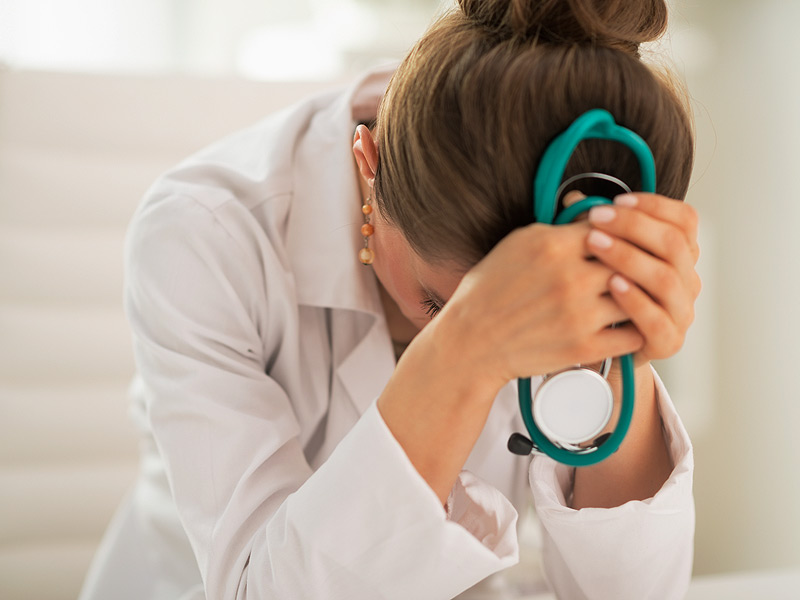








 Evolution of Medical profession-Extinction of good doctors