MP doctor arrest: flawed justice: reminiscent of Hammurabi’s era of medical regulation


A doctor has been arrested in Madhya Pradesh’s Chhindwara after a toxic batch of Coldrif cough syrup allegedly caused the deaths of 18 children across two states, exposing alarming lapses in drug quality control.

 Strangely enough, when the drug manufacturer and the drug controller are responsible for the quality of drug, the doctors are the one who is arrested.  Does that imply that doctors should now stop expecting justice from courts and Government?

 The whole process appeared flawed from the root. Blame for the poor quality of drugs manufactured is passed on the prescribing doctor.

  Even for complexities of medical science and uncertainties of the outcome, blame can conveniently be passed on doctors due to application of average wisdom.

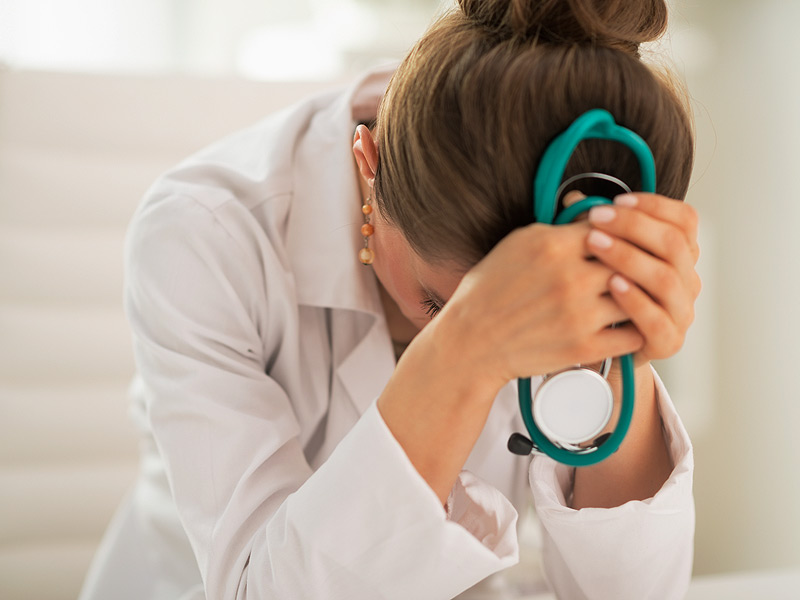
 This strange kind of justice delivery has unmasked the everyday struggle of the doctors in the present era.  The unjustified arrest just for prescribing a medicine has depicted the plight of doctors- being undervalued and demonized, forced to work as a sub-servant, irresponsible policing, blackmail by goons and vulture journalism-all have become an accepted form of harassment.  This incident has unveiled the despondency, moral burden, and injustice that doctors work with.

 An effort to govern or regulate the medical profession is not new. Hammurabi had initiated to write the rules of the game. This single professional species was managed with cruel regulation around 5000 years ago, that initiated a change in the global perception and regulatory system in radical and unprecedented ways.

Hammurabi 5000 years ago,  was  not even at the   doorstep of medical science, but he promulgated some rules. It is difficult to say whether he was naive or brilliant enough to make it more mathematical. He fixed heavy prize for saving lives and used to cut the hands of physicians for death or untoward incident. But he was still wise enough to pay heavily if life was saved.   After thousands of years, with some scientific advancements, our regulation has remained more or less similar in basics. It is still based on principles of revenge and punishments. Now clearly knowing well the limitation of medical science and the uncertainties and complexities of human body in better way, it still remains somewhat  unfair to doctors.  In other words, it has not attained enough evolution and maturity. 

Hammurabi at the start of civilization believed that doctors needed to be punished in case there was poor prognosis. He failed to understand the complexity of human body and the limitations of medical science, most of which was unknown at that time. By an application of average wisdom, doctor can be easily blamed for poor outcome, because he is always a common link between treatment and poor prognosis. Stricter punishments were imposed to regulate medical profession, even  when the medical science was not even developed enough to deal with most of diseases.  Children are always taught in school that medical profession is a noble one. But they are never told, about the cruelty this profession has faced since ancient times.  Almost universally, the earlier work or contribution of a doctor to society is not taken into account.  Even for complexities of medical science and uncertainties of the outcome, blame can conveniently be passed on doctors due to application of average wisdom.

    Hammurabi’s Codex specified the harshest form of deselection of health providers possible. If the physician erred through omission or commission, his fingers or hands were cut off, immediately stopping his practice. Therefore, a single mistake can undo all the good work of past or the future good work that could have been accomplished.

Problem here is that who can differentiate with certainty the real cause of sufferings of patient, a poor prognosis or a mistake.  Such harsh regulatory systems will dissuade other good people joining the profession, again resulting in further inhibition and flourishing of profession for the good.  Obviously, harsher penalties will discourage a physician surplus.

Today the global system of medical regulation, is becoming somewhat similar, to those ancient regulations in terms of punishment and revenge. Differential payment system for health care also resembles the Code of Hammurabi in some respects. And this is even though now we are very well conversant with the known uncertainty and complexity of the human body and despite cognizance of the poor prognosis in many disease states.

Fear factors of injustice to  doctors and impact of present legal complexities is already at par with that of Hammurabi’s era.

Advantages-Disadvantage of being a doctor

25 factors- why health care is expensive

REEL Heroes Vs Real Heroes

 21 occupational risks to doctors and nurses

Covid paradox: salary cut for doctors other paid at home

Medical-Consumer protection Act- Pros and Cons

Expensive Medical College  seat- Is it worth it?

NEET- Not so Neat- percentile system

The  Myth  of  cost of  spending  on  medical  education needs to be made  transparent.

Cough syrup tragedy. Responsible:  doctor-pharma-drug regulator?


A doctor has been arrested in Madhya Pradesh’s Chhindwara after a toxic batch of Coldrif cough syrup allegedly caused the deaths of 18 children across two states, exposing alarming lapses in drug quality control. Of the total deaths, 14 were reported from Chhindwara alone,    A special team from Kotwali police arrested Dr Soni from Rajpal Chowk in Chhindwara late Saturday night after the FIR was registered against him, the SP said.

      The doctor has been booked for negligence and prescribing the medicine even after its adverse effects on children for nearly a month. The manufacturer had been charged as it was supplying contaminated syrup, as per the test report, Pandey told PTI.

        Here doctor who prescribed was arrested, whereas who manufactured the cough syrup is primarily responsible.

 What is the role of ‘Drug regulator’ and ‘drug quality regulator’ in such cases?

Do they carry any accountability or responsibility?  

Strangely doctors are invariably the easy scape-goats.  It is time to treat pharmaceutical malaise. The rise in “falsified and substandard medicines” has become a “public health emergency.” A surge in counterfeit and poor-quality medicines means that thousands of patients a year are thought to die after receiving shoddy or outright fake drugs intended to treat ailments. Most of the deaths are in countries where a high demand for drugs combines with poor surveillance, quality control, and regulations to make it easy for criminal gangs and cartels to infiltrate the market.

   If deep investigations are not done in such cases, poor quality medicines will continue to be marketed and doctors would be held responsible for the adverse reactions and deaths. Strict regulations for quality of pharmaceutical agents are need of the hour.

    Usually, every problem related to health is called medical malaise, but that is a misnomer.  In fact, health care comprises tens of different industries.  Complex interplay of various industries like pharmaceutical, consumable industry and other businesses associated with health care remain invisible to patients. Various important components for example pharma industry, suppliers, biomedical, equipment, consumables remain largely unregulated. Collective malaise of all these is conveniently projected as medical problems as blame is conveniently passed on to doctors, as they are only visible component of mammoth health business.  Rest all remain invisible, earn money and doctors are blamed for the poor outcome of the patient, as doctor is the only universal link that is visible with patient. By an average application of wisdom, it is easier to blame doctors for everything that goes wrong with patient.

     In routine, if patient gets fake or low-quality medicines and does not get well, gets side effects, doctor will face harassment. Whereas people involved and industry will be sitting pretty and make money.

The government on Sunday also suspended Dr Soni from service. He has been attached to the health department regional officer in Jabalpur, as per an order.

MP Chief Minister Mohan Yadav on Saturday said strict action will be taken against those responsible.

The Tamil Nadu drug control authorities, in their report dated October 2, declared the Coldrif syrup sample (Batch No SR-13; Mfg: May 2025; Exp: April 2027) manufactured by Sresan Pharmaceuticals, Kancheepuram, as adulterated because it contained diethylene glycol (48.6% w/v), a poisonous substance “which may render the contents injurious to health”.

Following the report, the Madhya Pradesh Food and Drug Administration issued instructions to stop further sale and distribution of Coldrif statewide and immediately seize any available stock for investigation under the Drugs and Cosmetics Act, 1940. It also ordered that other products manufactured by Sresan Pharmaceuticals be removed from sale pending testing.

The Tamil Nadu government on Friday banned Coldrif following reports of deaths in Madhya Pradesh and at least three similar fatalities in Rajasthan due to suspected kidney infections.

  Advantages-Disadvantage of being a doctor

     25 factors- why health care is expensive

REEL Heroes Vs Real Heroes

 21 occupational risks to doctors and nurses

Covid paradox: salary cut for doctors other paid at home

   Medical-Consumer protection Act- Pros and Cons

Expensive Medical College  seat- Is it worth it?

NEET- Not so Neat- percentile system

The  Myth  of  cost of  spending  on  medical  education needs to be made  transparent.

Spurious medicine hits high- Ganja-laced chocolates as Ayurvedic medicine for Diabetes


In the absence of strict Government control, all kinds of dubious assertions are available about curing all types of ailments.  These alleged remedies, and the belief systems, are based on the facts that can neither be proved nor disapproved. They are dangerous to life of patients, which is why it is necessary to fight them and refute them.  But who should fight? Patients themselves are blinded by a projected faith and false belief about definite cure.

While pharmaceuticals and scientific drugs are regulated to some extent, but side effects and harms associated with various  health products   worth billions of market  remain untested and unregulated.  

    It has become a common practice to advertise health products (especially alternate medicine) that claim to be panacea for all ailments, enhance immunity, to increase power and health by creating an impression on minds on various platforms. Instead of producing scientific evidence, such products and therapies are sold under disguise of natural therapies or alternate medicines. The objective evidence or global neutral trial for the claimed efficacy or about real side effects is always missing.

     No one can deny that the knowledge circulated through various media plays an important role in reframing the narrative in patient’s or people’s mind. These can be in form of advertisements in television or articles in newspapers. The subjectivity of such advertisements creating new impressions and replacing previous ones, right or wrong cannot be denied.

    A frightening scenario is emerging as there seems to be an epidemic about fake or substandard medicines, spurious drugs and heightened belief in marketed therapies by advertisements.  An epidemic of ignorance that causes people to believe in pseudoscience or merely in projected promise of cure. A hope of miracle is flashed to patients, who have been given a ‘no hope’ by scientific medicine. Such patients are an easy prey for such fraudsters. It is not uncommon that lethal substances like steroids, hormones and heavy metals are given in dangerous doses.

Chocolates come as ‘Ayurvedic Aushadh’

      Synopsis Cyberabad police raided a kirana store in Petbasheerabad, seizing ganja-infused chocolates marketed as ayurvedic medicine. The chocolates contained 14 grams of cannabis per 100 grams and claimed to treat indigestion. The Telangana anti-narcotics bureau has notified UP and Rajasthan police about manufacturers in these states producing similar drug-laced products. In an emerging trend, ganja-laced chocolates made in Uttar Pradesh guised as ayurvedic medicine are making becoming popular in Hyderabad. Wrapped in attractive packaging, the chocolates come with ‘Ayurvedic Aushadh’ printed on wrappers, reported ToI. On Sunday, Cyberabad police seized a substantial shipment of drug-infused chocolates from a kirana store in Petbasheerabad. The packaging of the seized chocolates indicated that each 100 grams contained 14 grams of cannabis.

        Additionally, the label suggested that the chocolates could be consumed twice daily to alleviate indigestion and other stomach-related problems when mixed with water.

The chocolate cover also mentions that it can be consumed twice a day to treat indigestion and other stomach-related issues, is also used as a medication for diabetes. Meanwhile, Telangana anti-narcotics bureau has identified several private players in UP and Rajasthan manufacturing ganja-laced chocolates and has alerted the respective state police departments.

Advantages-Disadvantage of being a doctor

     25 factors- why health care is expensive

REEL Heroes Vs Real Heroes

 21 occupational risks to doctors and nurses

Covid paradox: salary cut for doctors other paid at home

Medical-Consumer protection Act- Pros and Cons

Expensive Medical College  seat- Is it worth it?

NEET- Not so Neat- percentile system

The  Myth  of  cost of  spending  on  medical  education needs to be made  transparent.

Unregulated Pharmaceuticals Industry’s Greed Pushing Drug Pricing- #Eli-Lilly cuts insulin prices 70%


“Look at the profit margins of these companies — they’re hundreds of billions of dollars,” Biden said. “It’s not like they’re getting hurt.”

The Indianapolis drugmaker’s price cuts and discounts for insulin come as federal and state lawmakers and patient advocates pressure drug companies and health insurers to improve affordability for the lifesaving medication used by millions of Americans. The move follows criticism from federal lawmakers and advocacy groups.

The noise level in the news regarding expensive medical costs is high. So who’s to blame?  Frequently buck stops at naming the doctors without really doing proper root cause analysis, not infrequently hiding the real culprits. It is easy to point the finger at  calling the medical professionals greedy  to keep the veil over  mammoth medical and pharmaceutical industry.   But there is a whole system of  unregulated medical  business  associated with large and various  health care industries: for example pharma industry,   biomedical, equipment, consumables etc. These industries  although play important part in medicine, cost, sale and purchase, but are largely remain unregulated and  remain hidden to the patient.

    Pharmaceutical Companies associated with the production and pricing of the drugs  have contributed to the problem and has negatively affected the patient’s expense, directly and indirectly.   

       When it comes to prescription drugs, rampant inflation has been the norm for decades. Drugmakers fearlessly increase prices on hundreds of medications every year because each of their products has no or few competitors. If the cost of a medication are kept high, that would increase directly influences the cost of health care for individuals.

.

Eli Lilly cuts insulin prices up to 70% amid pressure to slash costs

Drug giant Eli Lilly said Wednesday it will slash the cost of its top-selling insulin drugs by 70% as Congress remains stalled on capping prices on the medication vital to millions of Americans who suffer from diabetes.

The Indianapolis-based drugmaker also will lower the price of its Lispro insulin injection to $25 a vial and expand its insulin value program so that an existing $35 cap on some insulins will now apply in about 85% of US pharmacies.

The move comes as President Biden has pushed to extend to most Americans the $35 cap on out-of-pocket insulin costs available to recipients of the government’s Medicare health program, a move some lawmakers have also said they would support with legislation.

“While we could wait for Congress to act or the healthcare system in general to apply that standard, we’re just applying it ourselves,” Chief Executive Dave Ricks told CNN in an interview.

The changes could help around 2 million people pay for the life-sustaining drug. Although many people, including some 3.3 million on Medicare, already pay $35 a month or less for insulin, about 1-in-5 with private insurance and the 17% of insulin users who are uninsured stand to benefit.

Eli Lilly, along with Sanofi and Novo Nordisk make up 90% of the US market for insulin. Lilly shares were up 1.3% at $315.30.

Some analysts have suggested the company was trying to get out ahead of lawmakers. “It certainly appears they were reacting to the growing chances that Congress is going to cap insulin prices,” said Brian Gardner, chief Washington policy strategist at Stifel investment firm.

The insulin products currently cost hundreds of dollars a month. Humalog reportedly has a list price of $530 for a five-pack of injection pens and $274 for a vial, though the company said it only costs less than $95 a month for patients with commercial insurance and Medicare. List prices for drugs often differ from what patients actually pay, including after insurance and other assistance programs.

While the $35 price is only available in pharmacies participating in the company’s insulin value program, Ricks said patients using other pharmacies can receive a rebate through the drugmaker’s website.

These price cuts “should be the new standard in America,” Ricks said, and he called on other companies and stakeholders “to meet us at this point.”

Around 8.4 million of the 37 million people in the United States with diabetes use insulin, according to the American Diabetes Association. Ricks said the company’s insulin price cuts had been planned for some time and were accounted for in Eli Lilly’s December financial forecast, which projected 2023 revenue of at least $30.3 billion.

Diabetes is the seventh leading cause of death in America. Those needed the medication spend an average of $16,752 a year, The Post reported.

In addition to substantial price reduction, Eli Lilly said it would launch on April 1 a new insulin product called Rezvoglar — a copycat version of Sanofi’s Lantus insulin. It will sell its version for $92 for a five-pack of injection pens, a 78% discount to the list price for Lantus.

     Advantages-Disadvantage of being a doctor

     25 factors- why health care is expensive

REEL Heroes Vs Real Heroes

 21 occupational risks to doctors and nurses

Covid paradox: salary cut for doctors other paid at home

   Medical-Consumer protection Act- Pros and Cons

Expensive Medical College  seat- Is it worth it?

NEET- Not so Neat- percentile system

The  Myth  of  cost of  spending  on  medical  education needs to be made  transparent.

An Epidemic of Substandard drugs, Fake drugs, Pseudoscience & Counting


    A frightening scenario is emerging as there seems to be an epidemic about fake or substandard medicines, spurious drugs and heightened belief in marketed therapies by advertisements.  An epidemic of ignorance that causes people to believe in pseudoscience or merely in projected promise of cure. A hope of miracle is flashed to patients, who have been given a ‘no hope’ by scientific medicine. Such patients are an easy prey for such fraudsters. It is not uncommon that lethal substances like steroids, hormones and heavy metals are given in dangerous doses.

       In the absence of strict Government control, all kinds of dubious assertions are available about curing all types of ailments.  These alleged remedies, and the belief systems they are based on, are based on the facts that can neither be proved nor disapproved. They are dangerous to life of patients, which is why it is necessary to fight them and refute them.  But who should fight? Patients themselves are blinded by a projected faith and false belief about definite cure.

Drugs samples- declared not of standard quality

New Delhi: In its latest drug safety alert, the apex drug regulatory body, Central Drugs Standard Control Organization (CDSCO) has flagged 50 medicine batches for failing to qualify for a random drug sample test for the month of October,2022.

These drugs samples which are declared not of standard quality include Levocetirizine tablets manufactured by Hindustan antibiotics, Onkam (ondansetron Oral solution) manufactured by Gujarat Pharmalab, Pantop-DSR (Pantoprazole Sodium Gastro-resistant & Domperidone Prolonged release Capsules IP) manufactured by Aristo pharmaceuticals, Diacowin-plus Capsules (prebiotic & probiotics capsules) manufactured by Zee Laboratories and others.

In addition, other popular drug sample that is declared not of standard quality include Montek LC (Montelukast Sodium & Levocetirizine Hydrochloride Tablets IP) manufactured by Sun pharma laboratories due to failure of Identification and assay of Montelukast.

Also Read:Drug Alert: CDSCO flags 45 formulations as not of standard quality

This came after analysis and tests conducted by the CDSCO, Drugs Control Department on 1280 samples. Out of these, 1230 samples were found to be of standard quality while 50 of them were declared as Not of Standard Quality (NSQ).

A few of the reasons why the drug samples tested failed were the failure of the assay, failure of the disintegration test, failure of the dissolution test, failure of sterility test, etc. The samples collected were tested in five laboratories, namely CDL Kolkata, CDTL Mumbai, RDTL Chandigarh, RDTL Guwahati, and CDTL Hyderabad.

Syndicate Supplying Fake Cancer drug Busted #Spurious-Medicine

The rise in “falsified and substandard medicines” has become a “public health emergency”. A surge in counterfeit and poor quality medicines means that thousands of patient  a year are thought to die after receiving shoddy or outright fake drugs intended to treat ailments. Most of the deaths are in countries where a high demand for drugs combines with poor surveillance, quality control and regulations to make it easy for criminal gangs and cartels to infiltrate the market.

More are thought to die from poor or counterfeit vaccines and antibiotics used to treat or prevent acute infections and diseases. Beyond the fakes that are made and sold by criminal gangs are poor-quality medicines that lack sufficient active ingredients to work properly, or fail to dissolve correctly when taken. Sloppy manufacturing is often to blame, but others are sold past their shelf life or have degraded in poor storage conditions.

There is an  urgent  need for  effort to combat a “pandemic of bad drugs” that is thought to kill hundreds of thousands of people globally every year.

Advantages-Disadvantage of being a doctor

     25 factors- why health care is expensive

REEL Heroes Vs Real Heroes

 21 occupational risks to doctors and nurses

Covid paradox: salary cut for doctors other paid at home

   Medical-Consumer protection Act- Pros and Cons

Expensive Medical College  seat- Is it worth it?

NEET- Not so Neat- percentile system

The  Myth  of  cost of  spending  on  medical  education needs to be made  transparent.
Syndicate Supplying Fake Cancer drug Busted #Spurious-Medicine


The rise in “falsified and substandard medicines” has become a “public health emergency”. A surge in counterfeit and poor quality medicines means that thousands of patient  a year are thought to die after receiving shoddy or outright fake drugs intended to treat ailments. Most of the deaths are in countries where a high demand for drugs combines with poor surveillance, quality control and regulations to make it easy for criminal gangs and cartels to infiltrate the market.

There is an  urgent  need for  effort to combat a “pandemic of bad drugs” that is thought to kill hundreds of thousands of people globally every year.

More are thought to die from poor or counterfeit vaccines and antibiotics used to treat or prevent acute infections and diseases. Beyond the fakes that are made and sold by criminal gangs are poor-quality medicines that lack sufficient active ingredients to work properly, or fail to dissolve correctly when taken. Sloppy manufacturing is often to blame, but others are sold past their shelf life or have degraded in poor storage conditions.

    Governments and pharmaceutical companies had to improve the security of the drug supply chain in all countries from the point of manufacture to the patient. Regarding online pharmacies, there is poor public understanding of how to differentiate between a legitimate online pharmacy and an illegal one. Illegal online pharmacies and the sale of medicines via social media platforms pose the greatest risk to the  public.

Deadly Cocktail: to Make  Fake Cancer Drugs- Syndicate Manufacturing & supplying over 21 Spurious Medicines

To make big money, Pradhan got his cousin Shubham Manna and Ram Kumar involved in his plan and started making spurious cancer drugs. “He had been providing spurious medicines at a discounted 50% of market prices. He was manufacturing and supplying more than 21 spurious cancer medicines of various companies of different countries,” special commissioner (crime) Ravindra Yadav said. The syndicate comprised highly-qualified and well-earning individuals. Manna had completed his BTech and served in MNCs before joining hands with Pradhan. Police said his job was to generate barcodes, emboss batch numbers and expiry dates on medicines. He also looked after overall packaging of the spurious medicines. International syndicate used to procure capsules and manufactured fake medicines by filling them with starch.

     Advantages-Disadvantage of being a doctor

     25 factors- why health care is expensive

REEL Heroes Vs Real Heroes

 21 occupational risks to doctors and nurses

Covid paradox: salary cut for doctors other paid at home

   Medical-Consumer protection Act- Pros and Cons

Expensive Medical College  seat- Is it worth it?

NEET- Not so Neat- percentile system

The  Myth  of  cost of  spending  on  medical  education needs to be made  transparent.

India-UK FTA may tighten screws on Generic drugs. Britain doing Big Pharma Bidding?


Several international organisations working to improve people’s access to medicines have written to the UK government protesting against provisions in a proposed India-UK FTA after the chapter on intellectual property was leaked. The provisions related to pharmaceutical IP could prevent India from making affordable generics on which the National Health Service (NHS) of the UK and several other countries depend.  India’s ability to produce generics is crucial not only to the Global South but to the UK too.

Four out of five drugs used in the NHS are generics and a third of these are produced in India. So about 25% of the drugs in the NHS come from India. Between 2011 and 2016, the NHS started to experience a crisis in the amount of money it was spending on new, very expensive drugs. The amount the NHS spent rose in those years by £3.8 billion. That is more than twice the total NHS deficit at that time – £1.85 billion. The crisis was so severe that the NHS began to look for ways to save money, including importing more generics. It worked.

International non-profit calls upon calls upon India to stay vigilant and asks the U.K. to withdraw intellectual property proposals.

The proposals on intellectual property (IP) rights in the draft India-United Kingdom Free Trade Agreement (FTA) will hurt the global supply of generic medicines, Doctors Without Borders (Médecins Sans Frontières or MSF) warned on Wednesday. In a press note, the international organisation said low medicine prices help save lives in vulnerable communities across the world but the intellectual property chapter of the India-U.K. FTA contains “harmful IP provisions”. The IP-related chapter, leaked on October 31, showed that the controversial provisions tabled by the U.K. to “tighten the screws on producing, supplying and exporting affordable generic medicines from India”.

“Given the disastrous consequences, this leaked IP chapter could have on the global supply of generic medicines, the U.K. government should withdraw it completely. India should stay vigilant and not allow barriers to affordable medicines to be written into FTA negotiations,” Leena Menghaney, South Asia head of MSF’s Access Campaign, said. 

U.K.-India trade talks continuing

In a “Fact Sheet”, MSF has argued that the demand for “harmonisation” of Indian patent law with the U.K.’s laws will lead to dilution of important provisions in the Indian patent system that are necessary for manufacturing generic medicines and vaccines.

“Article E.10 of the leaked IP chapter stipulates that both parties “shall not” make patent opposition proceedings available BEFORE the grant of a patent. In effect, this provision applies only to India as the U.K. does not have a pre-grant opposition system – this goes directly against the current Indian patent law, which allows patent opposition proceedings both before and after the grant of a patent,” the MSF said in its observations on the IP provisions.

MSF pointed out that under the proposals from the U.K., even treatment providers could be subjected to legal actions for prescribing generic medicines for which India is one of the largest manufacturing hubs. MSF said that the IP provisions brought up by the U.K. opened up possibilities for “excessive enforcement” that are likely to create difficulties for both Indian pharmaceutical companies as well as the legal set-up. 

MSF highlighted that another problematic provision is Article J.11 of the leaked IP chapter. Under this provision, Customs officials could block legitimate medicines from leaving India for other developing countries if a multinational pharmaceutical corporation was to claim that their patents were being infringed upon by the Indian product. “Furthermore, Article J.5 and J.7 prescribe how courts should adjudicate IP disputes, which could impact [Indian] judicial discretion,” MSF said.

A British government spokesperson said they would not comment on the “alleged leaks” and will only sign “a deal that is fair, reciprocal, and ultimately in the best interests of the British people and the economy”.

“The U.K. and India are negotiating an ambitious Free Trade Agreement that will boost our current trading relationship, already worth more than ₤24 billion last year,” the spokesperson told The Hindu.

     Advantages-Disadvantage of being a doctor

     25 factors- why health care is expensive

REEL Heroes Vs Real Heroes

 21 occupational risks to doctors and nurses

Covid paradox: salary cut for doctors other paid at home

   Medical-Consumer protection Act- Pros and Cons

Expensive Medical College  seat- Is it worth it?

NEET- Not so Neat- percentile system

The  Myth  of  cost of  spending  on  medical  education needs to be made  transparent.

Deaths due to Low Quality Medicine- Pharma Industry Needs Strict Regulation


It is  time to treat Pharmaceutical malaise.

    Take example for cough syrup related  66 deaths at Gambia or  Injection Propofol related deaths at PGI Chandigarh. If deep investigations are not done, poor quality medicines will continue to be marketed and doctors would be held responsible for the adverse reactions and deaths. Strict regulations for quality of pharmaceutical agents is need of the hour.

    Usually every problem related to health is called medical malaise, but that is a misnomer.  In fact health care comprises tens of different industries.  Complex interplay of various industries  like pharmaceutical, consumable industry and other businesses associated with  health care  remain invisible to patients. Various important components for example pharma industry, suppliers, biomedical, equipment, consumables remain largely unregulated. Collective malaise of all these is conveniently projected as medical problems  as blame is conveniently passed on to doctors, as they are only visible component of mammoth health business.  Rest all remain invisible, earn money and  doctors are blamed for the poor outcome of the patient, as doctor is the only universal link that is visible with patient. By an average application of wisdom, it is easier to blame doctors for everything that goes wrong with patient.

      Cough syrup related deaths at Gambia or  Injection Propofol related deaths at PGI Chandigarh – two examples are only a tip of the iceberg.  In routine, if patient gets fake or low quality medicines and does not get well, gets side effects, doctor will face harassment. Whereas people involved and industry will be sitting pretty and  make money.

Therefore strict administration and quality check  is required   to correct Pharma malaise. It may be a complex issue because of complexity involved in implementation and execution of policies. But recognition and beginning to think of the problem is also an important step.

Red alert over deaths after Propofol injection- PGI CHANDIGARH

WHO warns over deaths of 66 children in The Gambia (Indian Pharmaceutical Cough syrup).

WHO warns over deaths of 66 children in The Gambia (Indian Pharmaceutical Cough syrup)

The WHO has issued an alert over four cough and cold syrups made by Maiden Pharmaceuticals in India, warning they could be linked to the deaths of 66 children in The Gambia

The World Health Organization (WHO) on Wednesday issued a warning over four cough and cold syrups made by an Indian company, saying that they could be linked to the deaths of 66 children in The Gambia. The WHO said that the cough and cold syrups, made by Maiden Pharmaceuticals in Haryana, could be the reason for serious kidney injuries. “Please do not use them,” the WHO said in its advisory.

The four cough and cold syrups that have been linked to the deaths of 66 children in The Gambia are Promethazine Oral Solution, Kofexmalin Baby Cough Syrup, Makoff Baby Cough Syrup and Magrip N Cold Syrup. In a release, the WHO has said that the Indian company has not yet provided guarantees on the safety and quality of these products.

“Laboratory analysis of samples of each of the four products confirms that they contain unacceptable amounts of diethylene glycol and ethylene glycol as contaminants,” the WHO said in a medical product alert. The WHO also warned that while the products had so far been found in The Gambia, they could have been distributed to other countries.

According to the WHO, diethylene glycol and ethylene glycol are toxic to humans when consumed and can prove fatal. Toxic effects can include abdominal pain, vomiting, diarrhoea, inability to pass urine, headache, altered mental state, and acute kidney injury which may lead to death, the WHO said.

New Delhi-based Maiden Pharmaceuticals declined to comment on the matter.

The World Health Organization also said that it was conducting further investigation with the company and regulatory authorities in India regarding the cough syrup linked to deaths of 66 children.

Last month, Gambia’s government said that it has also been investigating the deaths. The government statement came as a spike in cases of acute kidney injury among children under the age of five was detected in late July.

“While the contaminated products have so far only been detected in the Gambia they may have been distributed to other countries,” WHO Director General Tedros Adhanom Ghebreyesus said at a press conference on Wednesday.

The WHO Director General added that WHO recommends all countries detect and remove these products from circulation to prevent further harm to patients.

Meanwhile, the DSCO has already taken up an urgent investigation into the matter with the regulatory authorities in Haryana.

Red alert  over  deaths after Propofol injection- PGI  CHANDIGARH

CHANDIGARH: Five patients had died after they were sedated before surgeries on a single day last week at PGI, prompting doctors to sound a red alert to Central Drugs Standard Control Organisation (CDSCO)on Propofol injection – an anesthetic given before any major surgery. In this case, the drug was taken from the chemist shop in the hospital emergency. “Following a complaint from PGI doctors, we came with a CDSCO team to collect samples. The samples have been sent to Central Drugs Laboratory, Kolkata,” said Sunil Chaudhary, senior drug control officer, UT. He said, “The suspected batch of drugs has been stopped for supply till reports are received.” Sources said test analysis will take around two-three weeks and final report will be submitted by the CDSCO team. The five patients had to undergo orthopaedic and neurosurgeries. On deliberating the cause of deaths, doctors found Propofol injection as the common thread.

Advantages-Disadvantage of being a doctor

     25 factors- why health care is expensive

REEL Heroes Vs Real Heroes        

 21 occupational risks to doctors and nurses

Covid paradox: salary cut for doctors other paid at home

   Medical-Consumer protection Act- Pros and Cons              

Expensive Medical College  seat- Is it worth it? 

CCI investigates India’s largest hospital chains’ Practices


The potential penalty by India’s fair trade regulator could be steep. The CCI  (The Competition Commission of India)  investigation is the first such action against exorbitant prices of medicines and services fixed by hospitals, which have operated free of regulation so far.

A four-year investigation by India’s fair-trade regulator has concluded that some of India’s largest hospital chains abused their dominance through exorbitant pricing of medical services and products in contravention of competition laws.

The Competition Commission of India (CCI) will soon meet to weigh in on the responses by Apollo Hospitals, Max Healthcare, Fortis Healthcare, Sir Ganga Ram Hospital, Batra Hospital & Medical Research and St. Stephen’s Hospital. It will then decide whether to impose penalties, said people familiar with the matter.

The CCI can impose a penalty of up to 10 percent of the average turnover for the past three preceding financial years of an enterprise that has violated competition laws. The penalties could be steep. Apollo Hospitals posted an average turnover of Rs 12,206 crore and Fortis Rs 4,834 crore in the past three financial years.

The CCI’s director-general found that 12 super-speciality hospitals of these chains that operate in the National Capital Region abused their positions of dominance by charging “unfair and excessive prices” for renting rooms, medicines, medical tests, medical devices, and consumables, according to a copy of the summary report that Moneycontrol reviewed.

Some hospital room rents exceeded those charged by 3-star and 4-star hotels, according to the findings by the DG, who examines anti-competitive practices.

Significance of the investigation

The CCI investigation is the first such action against exorbitant prices of medicines and services fixed by hospitals, which have operated unencumbered by regulation so far. The watchdog’s action could potentially rein in the prices of medicines and healthcare equipment, or at the very least, bring transparency in the way hospitals sell these items, according to competition lawyers.

Of the 12 hospitals that faced CCI scrutiny, six belonged to Max  and two to Fortis.

The CCI and the hospital chains had no comment for this article.

Overcharging without checks

Exorbitant pricing is a common thread running through the CCI investigation report. The hospitals were found to charge more for certain medical tests as well as for X-rays, MRI and ultrasound scans than rates offered by other diagnostic centres. For consumables such as syringes and surgical blades, hospitals charged rates that were higher than those of other consumable makers, according to the CCI report.

The only exception was medicines, which hospitals sold at the maximum retail price, although they earned significant profits by procuring them at lower prices.

The CCI selected the hospitals for investigation on the basis of the number of doctors, paramedics, beds, and turnover for the period 2015-2018. The investigation found that these hospitals do not allow the use of purchase of consumables, medical devices, medicines and medical test results from outside, adding that patients use the service of in-house pharmacy and laboratories for ease of convenience.

Investigative reports pertaining to each of the hospital chains were submitted by the DG to the CCI on December 24, 2021. The CCI forwarded a copy of these reports to the hospitals on July 12, 2022, and sought their responses, according to the people, who did not want to be identified.

The CCI has been examining the pharmaceutical sector in India for years, scrutinising the pricing of medicines by healthcare companies. On April 19, 2020, it cautioned businesses, including healthcare companies, against taking advantage of Covid-19 to contravene competition laws.

     Advantages-Disadvantage of being a doctor

     25 factors- why health care is expensive

REEL Heroes Vs Real Heroes

 21 occupational risks to doctors and nurses

Covid paradox: salary cut for doctors other paid at home

   Medical-Consumer protection Act- Pros and Cons

Expensive Medical College  seat- Is it worth it?

Overuse of Antibiotics: Wrong analysis # Rebuttal Times of India


     The Times of India today   carries an editorial by Mr Sandeep Bansal on over prescription of antibiotics. Although there are few points which may be correct, but the article fails to highlight the basic reasons for the problem, which it was supposed to address.

    The reason for failure to find the correct reasons can be the distant analysis. Someone working in London and trying to analyse the grass root problem of India may not be a perfect idea. People need to work at ground level to identify the real issues. Otherwise the analysis remains half-baked and gives a glimpse  of the bias, which celebrities use commonly for gaining popularity by finding faults of doctors.


     The overall picture has to be understood to identify real reasons and hence the proper solution to the problem. The correct steps taken would settle the issue; otherwise the analytical article would   just remain a piece of paper and an matter of discussions for Arm chair preachers.

over prescription of antibiotics

   The author failed to highlight the factors like easy availability of antibiotics. People can directly approach pharmacist and get whatever antibiotic they want.  Pharmacist can sell whatever brand, doses and kind of antibiotic. The uncountable quacks, doctors of alternate medicines use all kind of antibiotics with impunity. Tons of antibiotics are consumed without any proper medical advice. Self-medication by people themselves, as it is easily available can’t be ignored as an important cause.  

       The reasons written by the author in TOI, actually constitute a minuscule fraction (5-10%), as far as use of antibiotics is concerned. By writing imperfect article, without knowing actual problems by a distant analysis, such article provides real misguidance rather than actual solutions to the problems.

         Someone to do justice to such complex and important issues, one has to work at the place and be aware about real issues and ground problems. Otherwise it just remains a method to gain cheap popularity.

   Sadly, in present era, people who do not treat patients,  are away from  truth, but they can influence the treatment of thousands of patients  just by doing an ‘On Table’ analysis.

        Wrong analysis, hence incorrect conclusions can lead to wrong decisions.

     Advantages-Disadvantage of being a doctor

     25 factors- why health care is expensive

     REEL Heroes Vs Real Heroes

     21 occupational risks to doctors and nurses

     Covid paradox: salary cut for doctors other paid at home

Blog at WordPress.com.

Up ↑