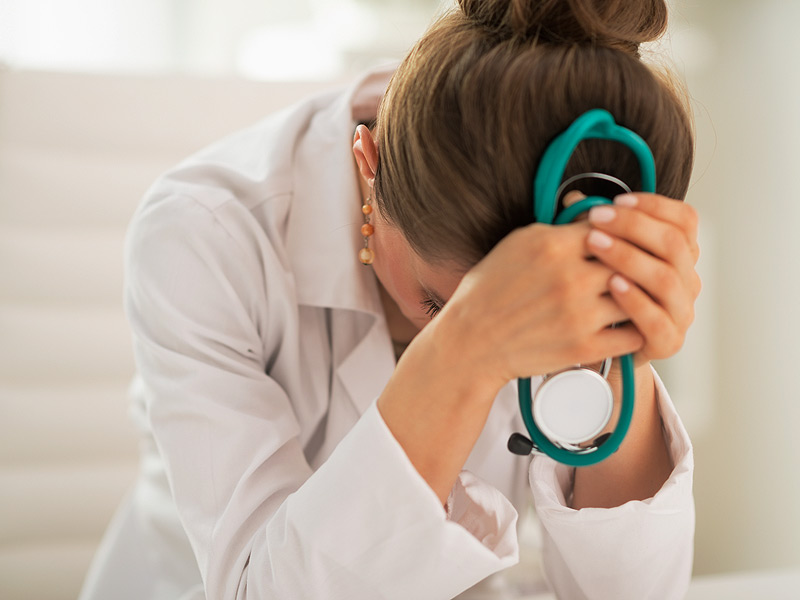
Expensive dream or a disaster self bought: Pay millions to be a doctor (#NEET)


Reluctance of candidates to wrap up  expensive medical college seats is just an indicator of aspiring medical student’s   better understanding of  the cruel reality about medical education. Becoming a doctor is not easy these days. Paying crores is like  getting into a trouble zone and getting yourself entrapped into a system of exploitation. It  may be alright for candidates who are from rich backgrounds.  But for the candidates whose families are not  strong financially, it may be self bought disaster. Steep rise in fee of medical colleges has been huge, beyond logic and is injustice to the meritorious.  One advantage of inappropriate media bashing of doctors, recent assaults against doctors has  given some wisdom to  innocent students, who  used to just enter into a system of entrapment unknowingly. Choosing medical career and then trying to place your feet into post graduation, spending crores in all these situations is akin to  falling victim to  a system of entrapment.  Some one paying for it in millions and  crores is an absurd thought  and  highly ill advised. For the candidates who are not financially strong, it may be difficult to even recover the money spent, what to say about the time and youth wasted in  getting a degree which may or may not be that worth.

Therefore it may become  dream turning into nightmare  for the people who can not afford.  Lower merits combined with not so good medical colleges   may produce thousands of degree holders but not good doctors.  Recent sporadic campaign of stray cases projected as generalization  by media has definitely diminished respect for profession. Individually most of the doctors may be working hard honestly but they are uniformly painted in the same colours due to misplaced priorities of the media. Society has already developed a prejudiced mind towards doctors.   Since these projections are created by outside agencies, doctors even with hard work and doing work honestly  may not be able to change the perception that has been created. Damage to profession has been immense and it is nearly impossible  task to reverse the mistrust generated and  undo the damage. If individually doctors are doing good and media continues the negative projection, the sad situation will persist. All efforts by doctors  in this direction are like oil  on the sand.

In  nutshell, this toil and trouble for years, buying a seat, paying millions or crores and becoming a doctor does not save you from vulnerability of court cases and wrath of public. Rather suboptimal training and capabilities makes them  more vulnerable to problems. It may be alright if some one with strong financial background  decides to be a health manager or administrator.

Real problem of mediocrity remains as such. Candidates with higher merit will be left behind as candidates who can buy and pay more will get in. This process  will be called as “lawful selection” along with diluted merit .This process makes count number of degrees distributed under various conditions attached to it other than merit.  But  just number of   degrees will not provide better doctors for future.

Quack menace: Patient killed by quack (Delhi): qualified doctors regulated strictly but not unqualified?


In an era, when even licensed and qualified doctors are finding it  difficult to practice medicine, it is strange that unqualified and unlicensed are having a field day. Why a strict regulation does not apply to them, is beyond any reasoning and logic. If a medical facility or clinic is functional, it is difficult for the patient, specially in emergency, to check or even doubt its credentials. How such facilities are open, functional and thriving, which does not have a qualified medical person is beyond logic. Sadly our regulation is trying to regulate, who are already regulated. It is trying to punish those who are qualified and licensed, but turns a blind eye towards unlicensed and unqualified doctors.

Such fake doctors own medical set ups, may conduct surgeries,  sometimes run with little help from qualified doctors,  and do procedures. Another problem is that they   promote fake rumours about genuinely qualified doctors and create a mist of mistrust to propagate their fake medical business.

If this is state of medical affairs prevalent in heart of capital and such facilities are functional and thriving, what will be state of affairs in peripheral or remote areas. Again it does not need an Einstein brain to guess.

The Delhi Medical Council (DMC) on Wednesday ordered criminal action against a quack whose “treatment” resulted in the death of a patient in November last year.

The hospital in which the patient was treated was also not registered with the Directorate of Health Services, Delhi. The patient was treated by an unqualified person in an unregistered hospital and did not receive proper treatment, which led to his death. The man, who had pretended to be a doctor, had been practising medicine for almost 12 years in Delhi and was a member of the Indian Medical Association (IMA), a pan-india representative organisation of doctors, and the Indian Academy of Paediatrics (IAP), a renowned association of paediatricians.

The 45 years old patient  had an undiagnosed liver disease. He went to a private hospital in Munirka ( New Delhi) around 2 pm on noticing blood in his vomit and stool. Within nine hours, the condition of the patient deteriorated and he was taken to Safdarjung hospital New Delhi , where he was declared dead on arrival at 2 am.

The patient was just put on a saline and given some antibiotics and pain medication. No diagnostic test was done to find the source of the bleeding, neither was any blood given to the patient. Any doctor can tell you the treatment was wrong. First he gave a DMC number, but the number corresponded to someone else. So, he provided  a registration number of the Goa Medical Council, again it belonged to someone else.


This is an  example of  how modern medicine is detrimental in unsafe hands, that are functional without proper training. How these fake doctors openly call themselves doctors, use prefix of Dr and register themselves somehow.   It is no less than fraud with lives of innocent public.

Neglect towards this sad reality  is akin to playing with health of innocent people. Medical organizations and media  has either  not taken it seriously or not able to take any constructive step  in curbing this menace by quacks.

Although genuine doctors face many problems from system of quackery. Misuse of antibiotics, local goonism and nuisance, all kinds of malpractice, misguiding the patient are few examples. But ultimately it is the society who is  the sufferer. Therefore resistance to such practices and  a wish to have good health system is  actually need of society. Unless people themselves make a true effort towards a robust health system, this menace of quackery is likely to persist, due  to prevalence  of  vested interests.

Plan to revamp the regulator for drug price regulation , National Pharmaceutical Pricing Authority (NPPA).


In an attempt to revamp drug price regulation in the country, while strengthening implementation and market monitoring, the government is set to restructure the regulator, National Pharmaceutical Pricing Authority (NPPA).

The authority, which is expected to be re-christened soon, will be replaced by a board or a council with four full-time members, including the chairman. The other three members — an economist, a costing specialist and a technology expert — will also hold a rank similar to the chairman, according to a proposal being considered at the highest level of the government.

According to another source, the new structure of the regulator, currently responsible for regulating drug prices and ensuring the availability of medicines, will be in line with the Telecom Regulatory Authority of India and Insurance Regulatory and Development Authority.

 
The role of the authority is also expected to change to become more of a regulatory body implementing and monitoring prices in the market, than fixing them.

 
At present, NPPA has the powers to cap prices of medicines according to the Drugs Price Control Order. It also gives new price approvals and looks at price revisions. Besides, the authority also enjoys powers to regulate prices of all medicines and medical devices under extraordinary circumstances in the public interest.

“NEET – NOT So NEAT” : Courtesy switch to Percentile system?


Imagine, an opportunity is available to a patient, to decide the doctor as based on his route or marks for entry into medical college. Whether patient will like to get treated by a doctor, who   secured 20% marks, 30 % marks or 60% marks or 80% marks for medical college.  Even   an illiterate person can answer that well. But strangely for selection of doctors, rules were framed so as to dilute the merit to the minimum possible. So that a candidate who scores 20 -25 % marks also becomes eligible to become a doctor. What is the need to dilute and shortlist around half a million for few thousand seats. Answer to that is simple.  To select and find only those students from millions, who can pay millions to become doctors.  

      Although the whole effort and huge expenditure to become doctors in this way may be really worthless in today’s scenario, considering the difficult times and vulnerability of medical profession. By allowing a intentional dilution of quality  can be advantageous only to  few and detrimental to others.

  • Beneficiaries are rich candidates, medical colleges who collecting fee and may be public who will get numbers of doctors. Surplus of doctors is thought to be an advantage to society. But here quality is least of the consideration.
  • Disadvantage to students, who are meritorious but can’t pay, and possibly society in long run, who is deprived of good quality doctors.


  •      A lower eligibility cut-off would mean that students with even lower percentage       of    marks will be eligible for MBBS
  • Last year, 11,114 students who scored 270 or less out of 720 got admission into medical colleges, mostly in private colleges
  • By the percentile system, last year, a student scoring 270 was within the 80th percentile

NEW DELHI: The results of the National Eligibility cum Entrance Test (NEET) for MBBS admissions for 2018 announced on Monday showed even lower cut-offs than last year. The cut-off for the unreserved category is down from 131 out of 720 marks last year to 119 this year, while the one for the reserved categories has dropped by a similar margin from 107 to 96. Over 7 lakh students from the 13 lakh plus who appeared for the exam have qualified to join medical college.

A lower eligibility cut-off for NEET would mean that students with even lower percentage of marks will be eligible to get admission for MBBS. In case you thought just being eligible would not allow those with poor scores to get admission, here’s what happened last year. Over 4,300 students who scored 180 or less in NEET actually got admission to MBBS. The overwhelming majority of them in private colleges, where high fees make it difficult for those with meagre means to join even if they have the marks.

A score of 180 out of 720 is the minimum mark a student would get if they got 40% of the answers right, even if they got all the rest wrong, with the negative marking scheme in place in NEET. Of course, 40% is the pass percentage in most exams. In terms of percentage, 180 out of 720 is a mere 25%. But going by the percentile system of NEET, 180 in 2017 meant the student was within the 64th percentile, well above the 50th percentile cut-off for the unreserved category.

Last year, 11,114 students who scored 270 or less out of 720 got admission into medical colleges, once again mostly in private colleges. If a student got half the answers right, he could not have got less than 270. Before NEET, the minimum eligibility criteria for MBBS admission was 50% through various entrance exams though the quality of some of the exams conducted by colleges themselves was dubious. By the percentile system, last year, a student scoring 270 was within the 80th percentile.
Incidentally, because there are no cut-offs specified for individual subjects within NEET, there were several cases last year of people who qualified and got admission into medical colleges with scores of zero or even negative marks in chemistry or physics. With the cut-offs dropping further this year in terms of percentage marks (though remaining the same in percentile terms), chances are we will see a repeat of worse this year.

If the society continues to accept such below par practices, it has to introspect, whether it actually deserves to get good doctors. Paying the irrational fee of medical colleges may be unwise idea for the candidates, who are not from strong financial backgrounds. But at the same time unfortunately, it may be a compulsion and entrapment for students, who have entered the profession and there is no way  forward.  So children have to be careful while choosing medical careers from the beginning.

A famous axiom “as you sow so shall you reap” has an application to health system in this scenario, so people should not rue scarcity of good doctors.  

Advantages-Disadvantage of being a doctor

25 factors- why health care is expensive

     REEL Heroes Vs Real Heroes

     21 occupational risks to doctors and nurses

     Covid paradox: salary cut for doctors other paid at home

   Medical-Consumer protection Act- Pros and Cons

Expensive Medical College  seat- Is it worth it?

New price index for pharmaceutical products likely


  • Govt plans to introduce a new price index for pharmaceutical products
  • Under the proposed mechanism, the Centre plans to link prices of all medicines with the new pharmaceutical index
  • However, it seems the government’s latest move may also not go well with drug makers

The drug pricing mechanism in the country is likely to be overhauled before the end of this month (India). Among the changes proposed by the government is the move to introduce a new price index for pharmaceutical products that will become the benchmark to determine prices of all medicines sold in the country — even those that are currently outside the drug price control order.

Even now, the government loosely regulates prices of all medicines in public interest. Prices of around 850 essential drugs are capped by the government. The drug price regulator National Pharmaceutical Pricing Authority (NPPA) revises these prices annually based on the wholesale price index (WPI). For all other medicines, companies are allowed to raise prices by no more than 10% in a year.

Under the proposed mechanism, the Centre plans to link prices of all medicines with the new pharmaceutical index. Drug makers will be allowed to revise prices annually only on the basis of movement in the index, sources said.

The proposal is in its final stages and is likely to be notified by the department of pharmaceuticals in June itself. The proposed index will not only replace the WPI for revising prices of scheduled or price-controlled drugs, it will be used to regulate prices of non-scheduled medicines.

The proposal is part of the recommendations made by the government think-tank Niti Aayog for making changes to the Drug Price Control Order, 2013.

Once in place, the new system will change the price movement of all medicines. Under the present price mechanism, only 17% of the over Rs 1 lakh crore domestic pharmaceutical market is under direct government price control. Even by volumes, the government regulates 24% of all medicines sold.

The suggestion to create a new index came in the wake of objections from the pharmaceutical industry to linking of prices with WPI. However, it seems the government’s latest move may also not go well with drug makers.
Experts who believe that linking prices to an index will be better and less discretionary than the present mechanism and may actually result in increase in prices rather than a decrease.


Smoking in moderation also carries significant risk: World No Tobacco Day


Tobacco and heart disease

Every year, on 31 May, WHO and partners mark World No Tobacco Day (WNTD), highlighting the health and other risks associated with tobacco use, and advocating for effective policies to reduce tobacco consumption.

The focus of World No Tobacco Day 2018 is “Tobacco and heart disease.” The campaign will increase awareness on the:

  • link between tobacco and heart and other cardiovascular diseases (CVD), including stroke, which combined are the world’s leading causes of death;
  • feasible actions and measures that key audiences, including governments and the public, can take to reduce the risks to heart health posed by tobacco.

World No Tobacco Day 2018 coincides with a range of global initiatives and opportunities aimed at addressing the tobacco epidemic and its impact of public health, particularly in causing the death and suffering of millions of people globally

 Tobacco endangers the heart health of people worldwide

Tobacco use is an important risk factor for the development of coronary heart disease, stroke, and peripheral vascular disease.

Despite the known harms of tobacco to heart health, and the availability of solutions to reduce related death and disease, knowledge among large sections of the public that tobacco is one of the leading causes of CVD is low.

Facts about tobacco, heart and other cardiovascular diseases

Cardiovascular diseases (CVD) kill more people than any other cause of death worldwide, and tobacco use and second-hand smoke exposure contribute to approximately 17% of all heart disease deaths. Tobacco use is the second leading cause of CVD, after high blood pressure.

The global tobacco epidemic kills more than 7 million people each year, of which close to 900 000 are non-smokers dying from breathing second-hand smoke. Nearly 80% of the more than 1 billion smokers worldwide live in low- and middle-income countries, where the burden of tobacco-related illness and death is heaviest.

  • Of the nearly 7 million who die each year due to tobacco-related causes, 6 million die from direct tobacco use
  • Another 890,000 are victims of second-hand smoke
  • Roughly half of those who lose their lives to tobacco each year succumb to cardio vascular diseases

Tobacco kills almost 7 million people across the world every year and nearly a million of them are not even smokers. It also costs the world about $1.4 trillion annually in healthcare costs related to tobacco-attributable diseases and in lost productivity due to death and illness.

Of the nearly 7 million who die each year due to tobacco related causes, 6 million die from direct tobacco use while another 890,000 are victims of second-hand smoke, according to the WHO estimates. Roughly half of those who lose their lives to tobacco each year succumb to cardio vascular diseases. In fact, tobacco is one of the major causes for heart diseases accounting for about 17% of all deaths due to them.

This is also true of non-smokers who die from exposure to tobacco smoke. Of the economic costs, around $400 billion is in direct medical care costs and nearly $1 trillion is in indirect costs, representing the value of lost productivity due to premature death and morbidity from exposure to second-hand smoke, the study estimated. The WHO material on tobacco has findings that may come as a surprise to many, particularly to those who use tobacco. For instance, it says that while there is some relationship between how much tobacco you smoke each day and the risk of heart diseases, it is not a linear one.

Thus, smoking even just one cigarette a day incurs half the risk of developing heart disease and stroke incurred by smoking a pack of 20 each day. In short, the idea of smoking in moderation is largely a myth. Similarly, the WHO concludes that there is no evidence to show that electronic nicotine delivery systems like e-cigarettes or vape pens are less harmful than smoking cigarettes in terms of the risk of heart disease.

This is despite the fact that on the whole such devices do contain fewer toxicants. The same caveats hold also for what are called heat-not-burn tobacco products. Another sobering fact is that despite tobacco being a major cause of heart attacks and stroke, a significant proportion of adults in several countries surveyed either do not know this or do not believe it. In India, for instance, 36% did not know or believe that smoking can cause heart attacks while 51% had similar disbelief or ignorance when it came to strokes. China was even worse with 61% of adults disclaiming knowledge of or belief in the connection between smoking and heart attacks and 73% in the connection with stroke. Like smoking, smokeless tobacco too is harmful and carries similar risk of cardio vascular diseases and stroke.
While smokeless tobacco is not a major issue in most parts of the globe, it is a widely prevalent form of tobacco use in parts of the sub-continent, like India and Bangladesh. Thus, while the prevalence of tobacco smoking is lower in India (particularly among women) than in many other large countries, those countries have virtually no use of smokeless tobacco. In India, in contrast, over a quarter of the adult population uses some form of smokeless tobacco.

Lawlessness strike docs: doctor attacked by mob SGM Hospital, Delhi


In reality violence against doctors is a law and order problem. But cleverly blame is put on doctors. Doctors can not treat mobs. That too with limited resources. Recent attack on doctors at  hospital is another example of lawless and uncivilized society.  Doctors have become punching bags for  all the malaise and inadequacy of prevalent health system. It is really appalling to see the impunity with which these incidents are happening.

Resident doctors of Sanjay Gandhi Memorial hospital in Mangolpuri   Delhi  are on  strike  for the second day. The doctors went on a flash strike on Monday after one of the  doctors  was attacked by a mob. They were  carrying  knives  and wanted to kill the doctor.

Government ‘s unwillingness or failure  to assure doctor’s protection will have deep ramifications on future of medical profession.  Role of organizations like Human right commission and other right’s bodies is also questionable.  Doctor bodies have also failed to take some concrete action other than showing some concern.  Role of media, celebrities, film stars in spreading the hatred against medical profession as a whole is unpardonable.

Every incident of verbal, legal, physical assault is a trust breaker.  It will hit  trust  and empathy of doctors  towards patients. Patients will get their revenge for naturally occurring disease, but society will be looser in the long run. Since the authorities, who matter have chosen to remain silent on the issue, doctors will have to find some way to save themselves.

Eating alone is Important cause of sadness?


As part of Sainsbury’s Living Well Index, developed in partnership with leading researchers Oxford Economics and the National Centre for Social Research, the retailer surveyed more than 8,000 British adults to investigate how people can live better day-to-day.

However, the data gathered inadvertently revealed that the mood of the nation has declined over the last six months with a drop of 0.5 points to an average of 60.7. While much of the drop appears to be linked to seasonal factors such as extreme weather and public transport chaos, the index discovered more surprising reasons for people’s unhappiness.

Interestingly, it found that eating meals alone is strongly associated with unhappiness  other  than having a mental illness. In this case, people who ate by themselves scored 7.9 points lower than the national average, compared with someone who always eats in company.
Mental health was found to have the strongest negative association with wellbeing, with those who reported conditions such as anxiety, depression, panic attacks or compulsive behaviour scoring 8.5 points below the average figure. Other issues associated with unhappiness included limited physical mobility where participants scored 5.4 points lower, while people with a learning disability scored 3.7 points lower.
Conversely, eating with others had one of the highest positive associations with wellbeing with a score 0.22 points higher, alongside having enough time to do enough time to things (0.36),a satisfactory sex life (0.44 higher) and sleeping well (0.93 points higher).
As such, the researchers say their findings highlight the importance of face-to-face contact with improved happiness. This is because other forms of social contact, including talking to neighbors and meeting with friends, were associated with higher happiness scores, while digital interactions such as social media, showed no association at all.


Nipah Virus : Karnataka at high alert: suspected cases of rare virus, fanning fears


The Karnataka ( south India) state is on high alert, especially in areas bordering Kerala, after 11 people died of the mysterious Nipah Virus in Kozhikode over the last few days.

The Karnataka Health and Family Welfare Department has directed primary healthcare centres in Chamarajnagar and Mysuru districts, which share the border with Kerala, to be alert and to report any patients from Kerala with suspected Nipah cases. A team from Delhi has been sent to Kerala and based on the report, national guidelines will be issued.

Those travelling to Kerala should be cautious when and if they come in contact with Nipah-infected people. Avoid eating fruits fallen on the ground and drinking raw date palm sap in Kerala. Avoid coming in contact with sick domestic animals and pigs.

Nipah Virus infection is zoonotic, which means the disease has spread from animals to humans, and can causes severe conditions in animals and humans. The natural host of the virus are fruit bats of the Pteropodidae family, Pteropus genus. The virus transmits through direct contact with infected bats, pigs or from other NiV-infected people through touch or body fluids. Disease is contagious and can spread from person-to-person.

The infection in humans can cause a wide range of clinical presentations, from asymptomatic (no symptoms) to acute respiratory syndrome (cough, breathlessness and respiratory distress) and fatal encephalitis (inflammation of the brain). After exposure to virus, symptoms start after an incubation period of 5-14 days. Usual symptoms are fever and headache for 3-10 days followed by drowsiness, confusion, seizures and altered sensorium. Signs and symptoms can progress rapidly to coma and death in 24-48 hours. Nipah Virus encephalitis is fatal with a high mortality rate.

Stressing should be on precautions. The people in affected areas should avoid eating or drinking date palm sap (raw date palm sap, a sweet drink popular in the winter, when the sap is easy to tap from trees pierced with a spigot. A bat clings to a palm tree as it eats sap just above a collection jar). Disease can be prevented by avoiding animals that are known to be infected and using appropriate personal protective equipment.

There is no vaccine for the Nipah virus, carried by fruit bats and spread  through contact with bodily fluids, the World Health Organization (WHO) says. Treatment for the virus, which has a mortality rate of about 70 percent, is supportive care.

Nipah virus scare: prevention and control of deadly virus


The National Virology Institute, Pune, confirmed that the contagious fever that has killed several people in Kozhikode and Malappuram districts over the last fortnight is due to Nipah virus ( NiV). Six more people succumbed to symptoms suspected to be that of Nipah virus on Sunday.
    It is the first detection in Kerala of the Nipah virus which has a high fatality rate and spreads mainly through bats, pigs and other animals. Its symptoms include fever, vomiting, headache, drowsiness, coma and respiratory problems.
Virus has an incubation period of 4 to 18 days. Health workers  need to  take the highest level of protection while handling patients. No specific treatment is available but intensive care support is required.

Origion and History of initial identification:

Nipah virus (NiV) is a member of the family Paramyxoviridae, genus Henipavirus. NiV was initially isolated and identified in 1999 during an outbreak of encephalitis and respiratory illness among pig farmers and people with close contact with pigs in Malaysia and Singapore. Its name originated from Sungai Nipah, a village in the Malaysian Peninsula where pig farmers became ill with encephalitis. Given the relatedness of NiV to Hendra virus,  bat species were quickly singled out for investigation and flying foxes of the genus Pteropus were subsequently identified as the reservoir for NiV .

In the 1999 outbreak, Nipah virus caused a relatively mild disease in pigs, but nearly 300 human cases with over 100 deaths were reported. In order to stop the outbreak, more than a million pigs were euthanized, causing tremendous trade loss for Malaysia. Since this outbreak, no subsequent cases (in neither swine nor human) have been reported in either Malaysia or Singapore.

In 2001, NiV was again identified as the causative agent in an outbreak of human disease occurring in Bangladesh. Genetic sequencing confirmed this virus as Nipah virus, but a strain different from the one identified in 1999. In the same year, another outbreak was identified retrospectively in Siliguri, India with reports of person-to-person transmission in hospital settings (nosocomial transmission). Unlike the Malaysian NiV outbreak, outbreaks occur almost annually in Bangladesh and have been reported several times in India.

Symptoms and investigation

Nipah virus’s (NiV) symptoms in humans are similar to viral fever such as fever, headache and muscle pain. Perhaps, these symptoms should be taken seriously as they were a part of rare viral fever – identified as the Nipah virus (NiV) – that claimed lives in Kerala.

NiV infection is associated with encephalitis (inflammation of the brain) and can lead to disorientation and mental confusion, or coma in some cases – encephalitis may present as acute or late onset. While the later may be difficult to diagnose, those who may have recovered from an acute episode may also have a relapse.

Since the symptoms of Nipah virus are similar to that of influenza, it can be difficult to determine whether the person is affected by NiV based on symptoms alone. According to WHO, procedures for laboratory diagnosis of Nipah virus include a series of tests – serology, histopathology, PCR and virus isolation. Serum Neutralization Test, ELISA, RT-PCR are used for laboratory confirmation. Also, magnetic resonance of the brain can help differentiate Nipah encephalitis from other encephalitis as well as in defining between acute and late-onset or a relapsed form of the disease.

Prevention and control

Till date, there is no effective vaccine for Nipah virus disease, treatment is mostly focused on managing fever and the neurological symptoms. Ribavarin may help alleviate the symptoms of nausea, vomiting, and convulsions. Severely ill patients require hospitalisation and may require the use of a ventilator. Therapeutics and vaccine are said to be under development.

Adopting standard infection control practices is vital in preventing the spread of person-to-person transmission of the disease. As the main strategy is to prevent NiV in humans, establishing appropriate surveillance systems is necessary to detect the disease outbreaks quickly so that appropriate control measures are initiated in time.

Research is needed to better understand the ecology of bats and Nipah virus, investigating questions such as the seasonality of disease within reproductive cycles of bats. Surveillance tools should include reliable laboratory assays for early detection of disease in communities and livestock, and raising awareness of transmission and symptoms is important in reinforcing standard infection control practices to avoid human-to-human infections in hospital settings (nosocomial infection).

A subunit vaccine, using the Hendra G protein, produces cross-protective antibodies against HENV and NIPV has been recently used in Australia to protect horses against Hendra virus. This vaccine offers great potential for henipavirus protection in humans as well.

https://www.cdc.gov/vhf/nipah/prevention/index.html

Blog at WordPress.com.

Up ↑